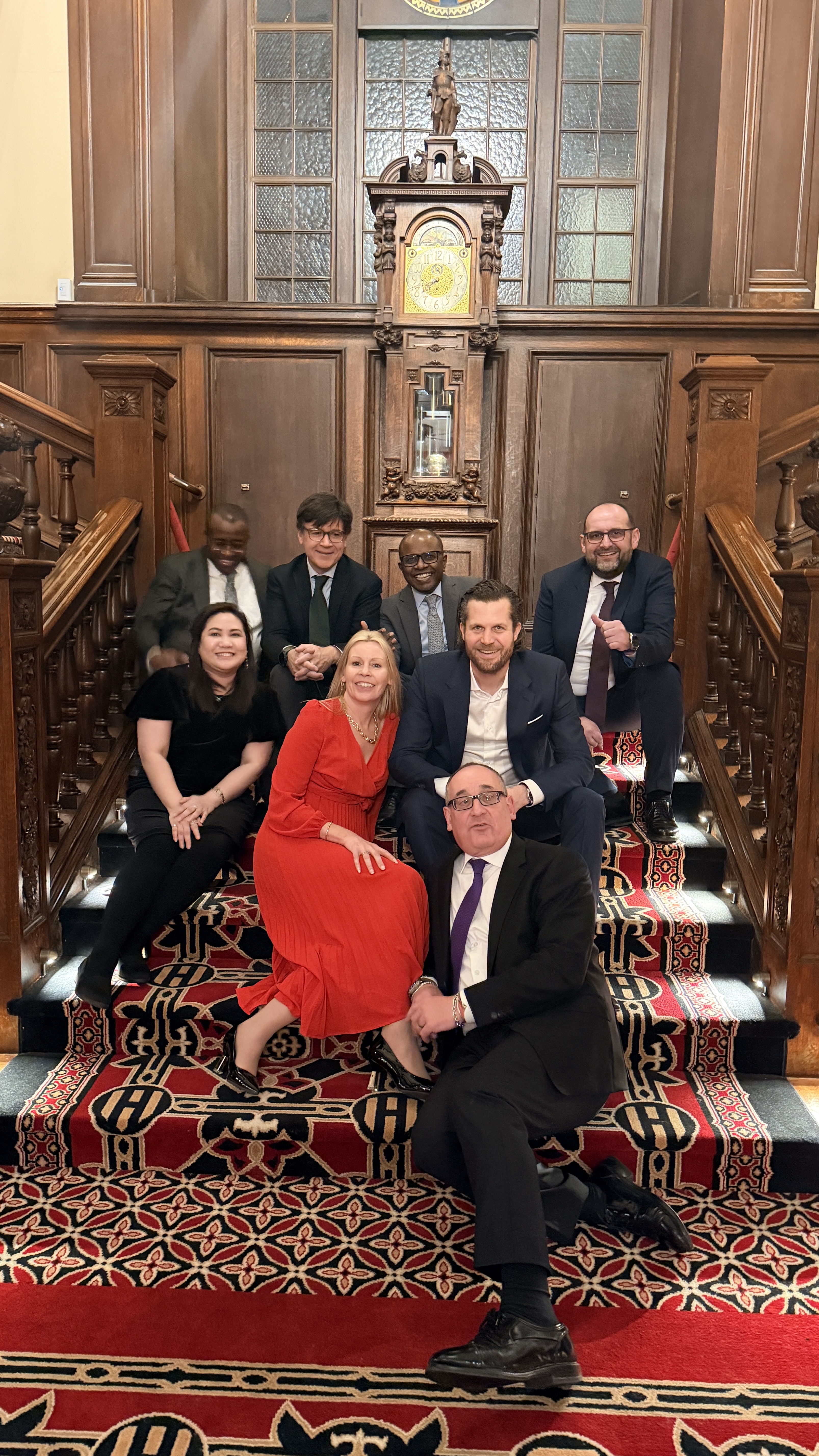
The second journey
Five weeks after Module 1 closed, the bus from Canberra to Sydney felt like a familiar piece of choreography. Same bus, same window seat, same Mascot terminal, same Qantas counters, same long stretch from Mascot to Dallas and then Dallas to Boston. What was different was me. The first time I made this trip I was carrying a quiet bundle of anxiety. New country, new campus, new accommodation, new strangers, and a course I had been told was the most intensive piece of executive education in the world. I boarded the plane in February wondering whether I would cope. This time, in early April, I was going back to people I knew, a campus I could now navigate by memory, food I had grown used to, and a routine I had already proven I could keep up with. I boarded with excitement.
The forecast helped. Module 1 had been bookended by snow, by ice on the paths, by the cold that catches you in the lungs the second the airport doors slide open. Module 3 was promising spring. Cherry blossom on the campus walks. Light at six in the morning again. The kind of Boston my Module 1 living group had told me about over hot chocolate in February. Wait until you come back, they had said. You won’t recognise it.
Module 2: the long bridge
The five weeks at home between modules were officially called Module 2, but I came to think of them as the long bridge. We had been told the bridge would be busy. It was. Casework for Module 3 began arriving in the inbox almost as soon as the wheels touched down in Sydney. Coaching session preparation followed. And underneath all of that sat the work I cared about most, the Leadership Impact Project, which by this stage had moved from a sketched idea about advancing people with disability into leadership through systems reform into something with structure, language, evidence, and a plan.
The challenge of Module 2 was not the volume. It was the absence of the room. In Boston everyone around you is doing the same work, at the same intensity, in the same building. The classroom and the dining hall and the gym and the walk home all reinforce each other. At home in Canberra you sit on your own at the kitchen table with a stack of cases and a screen full of slides, and the rhythm has to come entirely from inside you. Some days it did. Some days it did not. I learned a few things about my own discipline in those five weeks that I would not have learned in the room.
By the time the bus pulled into the Sydney airport again, I had a iPad of pre-read cases, a clearer LIP, three coaching sessions logged, and an itch to be back among a fantastic group of leaders.
Sunday, like old friends
We all arrived back into Boston on a Sunday, and the welcome reception that evening was unlike any first meeting I have ever attended. It was the precise opposite of Module 1 Sunday. No hesitation, no name-tag dance, no opening lines about where you were from and what you did. Just people you had spent seven weeks of lockstep work alongside, walking up and folding straight into a conversation as if the five weeks had not happened.
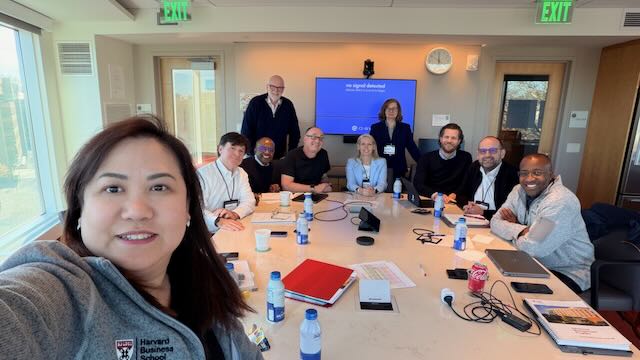
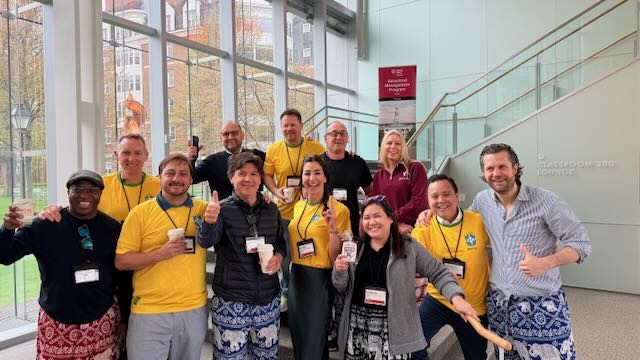
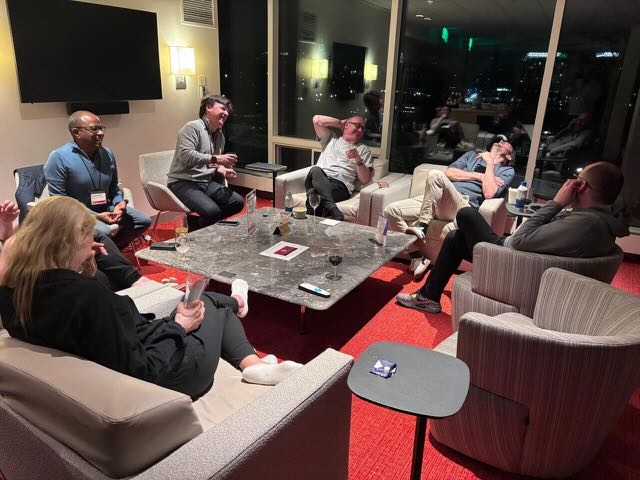
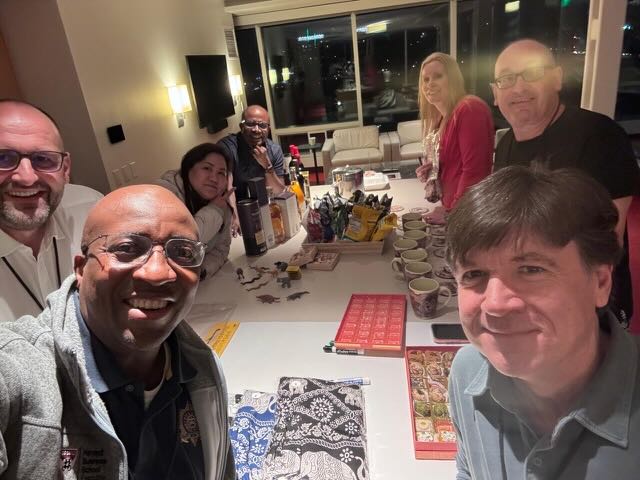
My living group was complete again. We had a few jokes saved up from Module 1 that re-emerged within minutes. There were small updates about home and family. There was the comfortable easing into the working rhythm that you only get with people you trust. By the time we said good night and walked across the lawn to our rooms, I had the strongest feeling I had had on this entire journey, which was that I had a tribe here.
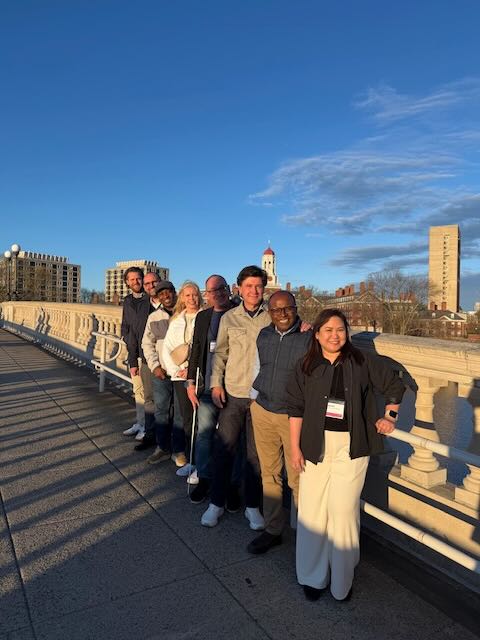
Fifty cases in three weeks
The headline number for Module 3 is fifty case studies. Fifty cases in three weeks is what it sounds like. Three or four a day for most days, with the occasional double-feature morning that began before sunrise and a single case in the afternoon to give your head room. The themes ranged across the territory we had been building towards all year: strategy, ethics, sustainability, leadership, marketing, finance, and a substantial seam of geopolitical examinations that asked you to hold uncertain global currents in your head while still making a call on what the protagonist should do on Monday morning.
Some of the cases were on companies you already had an opinion about. The conversation in those classes is always interesting because the room contains a mix of people who have worked inside the industry, people who have competed against it, and people who are looking at it fresh. The Module 3 mix added an extra layer. By April we knew each other well enough to disagree without bristling, to push each other harder, to call out a leap in logic, to ask the question that the section chair was about to ask. The classes felt sharper. So did we.
The geopolitical block had a particular intensity this time. With colleagues sitting around the U-shape from every region the cases touched on, the discussion was never abstract. A regional shock in one part of the world meant a colleague at the table whose company was inside that shock. An ethics case meant a colleague whose legal regime ran the other way to ours. A sustainability case meant a colleague whose industry was the one in the firing line. The cases sharpened our reasoning. The room sharpened our humility.
Leadership Impact Projects were finalising in the same window. There was a current of low background pressure throughout the three weeks as people made their final calls on scope, on evidence, on the recommendations they wanted to land with. My own project tightened a great deal in those three weeks. Conversations in the living group, in the dining room, in the corridor after class, all pushed me to be braver with the recommendations than I had been at home.
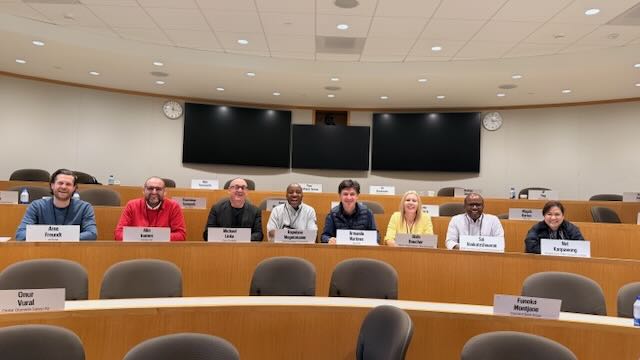
When we presented on the second Thursday afternoon, we were all nervous. Shilo’s plans for the Y were ambitious, Arne’s view of the luxury sporting goods market resonated, Armando’s view of valuing companies was audacious, Alin’s battery as a service will change the world, Nat’s view on banking will improve service, Sai will change consulting as he incorporates AI and Rapulane has set some massive targets for his mergers and acquisitions future. What surprise me most though was the support I received for my project. My team picked me to represent them as we presented to our wider cohort in Tata 100, half of the class! Wow, so humbling, so honoured. More on this later.
The Chao Center table
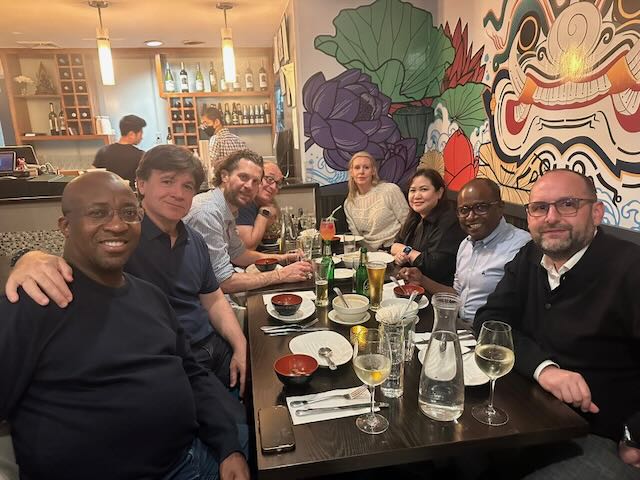
The Chao Center was the heart of the social life. Breakfast, lunch and dinner ran on a steady rotation, and the menu changed every day, which was a kindness over a long stretch. The food was not really the point, though. The point was the seating. There were 142 of us, and at any given meal you could pick a table where you knew nobody and end up an hour later with a friend.
Ding was still hard for me. not knowing what the food was or who I was sitting with. But some of the most interesting half-hours of my whole year were spent over a meal. My Living Group as always helped me out, Shilo mostly, patiently reading menus and helping me with my food selections. I could not be more grateful for her support, without her, my experience of the food would have ended up being chicken nuggets and chips – they were always available and always in the same place!
Colleagues from around the globe walking me through how the next generation of their industrial base is being shaped. The animated dinners ranged over the same topics our classrooms covered, but with the gloves off and the geographies real.
Living with low vision in a setting like this is its own quiet learning. The seating layout, the buffet flow, and the lighting in the dining room are not designed for me, but the people around the table always are. Someone reads the dessert sign for you. Someone walks you across to the coffee station. Someone tells you the chicken looked awesome. By Module 3 I knew which colleagues were instinctively helpful in this way without making a fuss about it, and they knew without being told that I would do the same for them in different ways. That is the part of the AMP experience that nobody puts in the brochure.
An Australian night at the F1 simulators
About a third of the way through the module, the Australian contingent organised a night out at an F1 simulation racing venue. There were enough of us back in town to fill a row of rigs. We took turns at the wheel, called race lines for each other, jeered the slow corners, and laughed at the spin-outs. We enjoyed pizza and nachos and shared plates over a long table, the conversation moving from racing to home to politics to family in the easy way that only an Australian table around a shared meal seems to allow. Sarcasm and good old Aussie humour.
I have always thought of the Australian contingent at AMP as quietly distinctive. We do not announce ourselves. We just turn up, get on with it, and look after each other when we need to. That night at the sim was that habit at full strength.
Baseball, sleet on the Charles, and a quiet Saturday on Newbury Street
There were three signature outings in the middle weeks that I will hold on to.
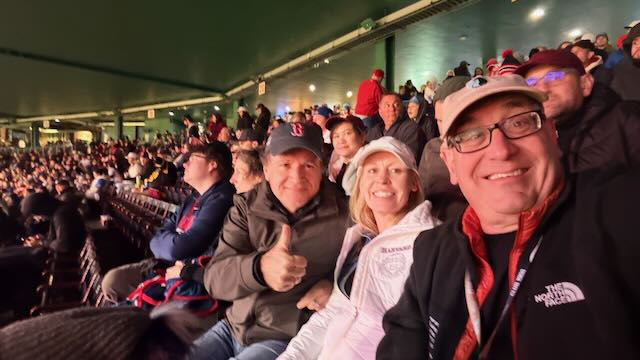
The first was a baseball game. I had never been to a match before. I had no real idea what was going on beyond the general arc of pitcher and batter. What I had not been prepared for was the rhythm of the crowd. The seventh-inning stretch, the songs, the popcorn, the conversation between strangers in the rows around us. The night was cool but clear. The lights were on the field by the second inning. The score did not really matter. The evening did.
The second was a river cruise on the Charles. About forty of us boarded a boat in conditions you would only describe as bracing. The forecast said sleet. The forecast was right. We stood on the deck with cold drinks freezing our hands and watched Boston slide past from a perspective none of us had seen before, the river holding the city in a loose horseshoe, the skyline lower than I had imagined from the campus side. By the time we pulled back into the dock we were soaked through and elated. The conditions made the evening, in a way that a sunny version of it never would have. A quick pizza to warm a few of us up after we disembarked before heading back to campus finished the night off well.
The third was a solo afternoon on Newbury Street on Saturday the 19th of April. It was Record Store Day, the international holiday for vinyl collectors. There is a record shop on Newbury Street that I had wanted to visit since the first week of Module 1, and I had earmarked the Saturday for it. Pink Floyd had a new Record Store Day release I wanted. I Ubered into town on my own, walked the strip slowly, browsed for an hour and a half, and walked out with the album under my arm and an unexpected sense of contentment. I decided to walk back to campus, only about 6kms and an hour or so. Saturday afternoons on your own in a city you have come to know is one of the small luxuries of a course like this.
Conversations between careers
A quieter thread ran through the three weeks for those of us in the room who were in transition. The AMP cohort, like every executive program I have been part of, contains a quiet sub-group of people who are between roles, or who have just stepped back from a long executive run, or who are deliberately shaping their next chapter. Over the course of Module 3 the dozen or so of us in that position found each other and started meeting for coffee, sometimes in twos, sometimes in fours, occasionally over a longer dinner.
We swapped notes on resume craft. We compared experiences with executive search firms. We shared the names of recruiters and head-hunters who had been useful to us. We talked about which kinds of roles fitted us at this stage of our careers and which did not. We talked, openly, about what to do with a year like this one when you walk back into a job market that does not always know what to do with somebody whose background is broader than the role description.
The most useful part of those conversations was not the practical exchange. It was the recognition. Senior people in transition are often a little lonely, even when they are very busy, because the world around them quietly assumes that they have the next thing already lined up. They often do not. Saying it out loud to a colleague who is in the same position, over a coffee in the Chao Center, is a kind of permission to keep going.
Suits in front of Baker
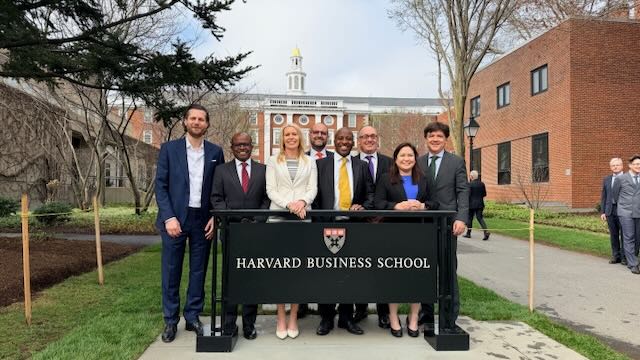
Week 2 had its own ceremony. We all dressed up, suits and beautiful outfits, and gathered on the lawn in front of Baker Library on a warm, sunny afternoon. The class photos were taken. The light was perfect. The trees were in early leaf. The lawn was full of people I had stood next to in the cafeteria queue, argued with in a case discussion and worked alongside in the gym.
A photographer shouted instructions in the way that photographers always do. We obeyed in the way that 142 senior executives almost always obey, which is to say with a certain dry amusement. I kept noticing how natural it had become to stand among this group. In Module 1 Week 1 I had been one stranger in a sea of strangers. In Module 3 Week 2 I was one friend in a sea of friends.
My LIP, my highlight
As mentioned above, my living group selected my Leadership Impact Project as their preferred project. A few days after that selection, I presented to 70 of the cohort, as did nine of my colleagues. Each of the projects was a standout in its own right. From cancer research to micro satellites, to workplace change, to business development ideas, and how AI will change the world, each project in and of itself will see success.
After the presentations, the cohort was asked to vote for a single project to be presented. Later that afternoon, as both classes got together for a final wrap-up and presentation of two Leadership Impact projects we broke for lunch.
As we walked over to the hall for the final wrap up and presentation, my living group was so supportive and said that my project would have to be selected. At this stage, we didn’t know, the announcement would be made at the session.
When the time arrived and Cynthia, the head of the advanced management programme, announced the two projects, I was stunned, humbled, and proud to learn that my project is one of the two selected. My team gathered around me and excitedly congratulated me as we all stood there as I presented for a second time my thoughts on why people with disability do not advance into senior executive roles. Again, the crowd as one rose. For the second time today, I received a standing ovation. I could not feel smaller, yet prouder and more humbled in front of this gathering of world leaders to be cheered and supported in such a way for a project that is so important to me.
Martha’s Vineyard
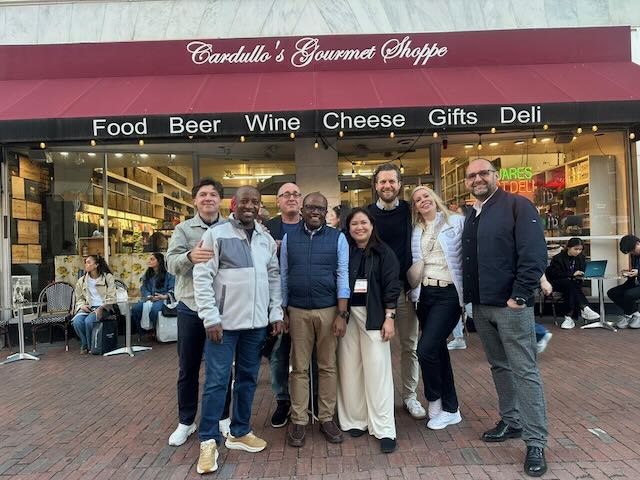
One of the social highlights of the trip was our visit to Martha’s Vineyard. On a cool but dry Sunday, our last Sunday before departure, we hired two cars and drove the 90 min to Cape Cod. Before catching the ferry across to Martha’s Vineyard for a glorious day, walking the island and enjoying each other’s company and a delicious lunch and ice cream.
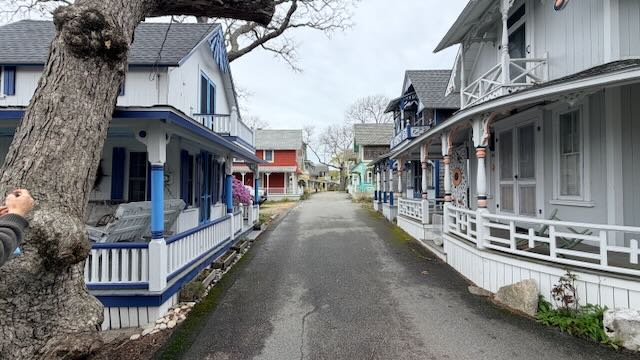
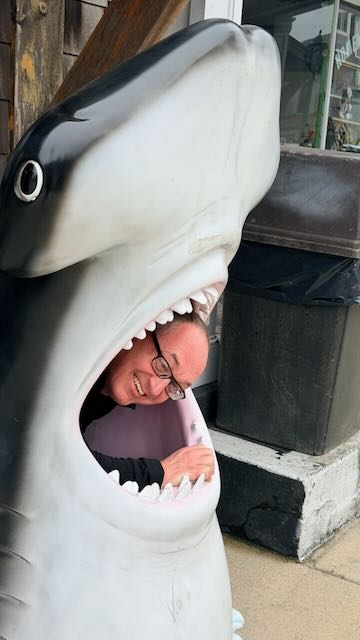
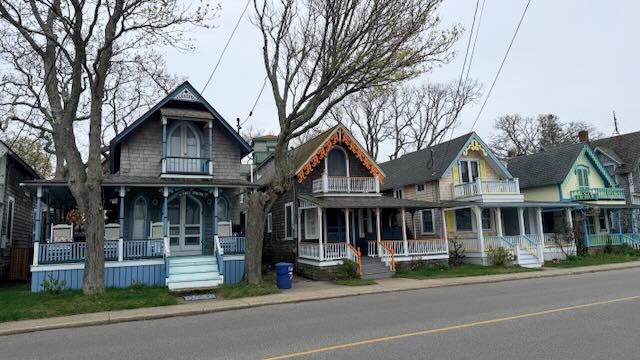
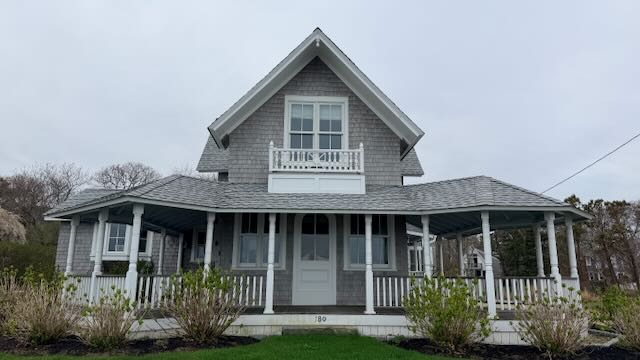
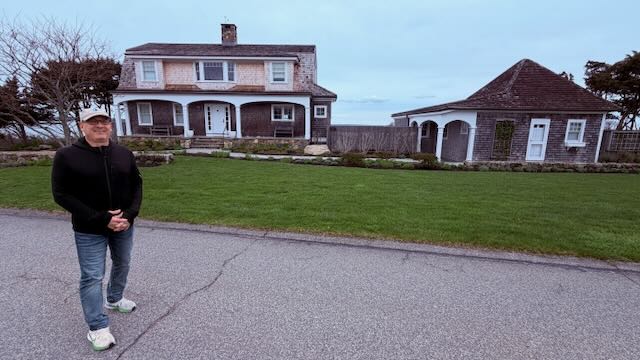
I have a particular interest in Martha’s Vineyard, being a fan of the movie Jaws, which was largely shot there. Although 50 years on there’s not a lot of Jaws-related material on the island, we did walk past the house that Chief Martin Brodie lived in. In addition to that, we walked about 12 km around the island for a couple of hours, visiting a number of houses on the shoreline as well as the circular street where the so-called gingerbread houses were a collection of colourful and small houses. We then walked into the city and the town centre, which was filled with traffic and visitors despite it not being peak season. We then found a pub and enjoyed a delicious lunch overlooking the water before enjoying some ice cream and some chocolates on the pier. We wandered through the shops and did a little bit of sightseeing before catching the ferry back to Cape Cod.
Overall, it was a fantastic day, a great way to get out, stretch our legs, and get some fresh air.
A long night on the harbour
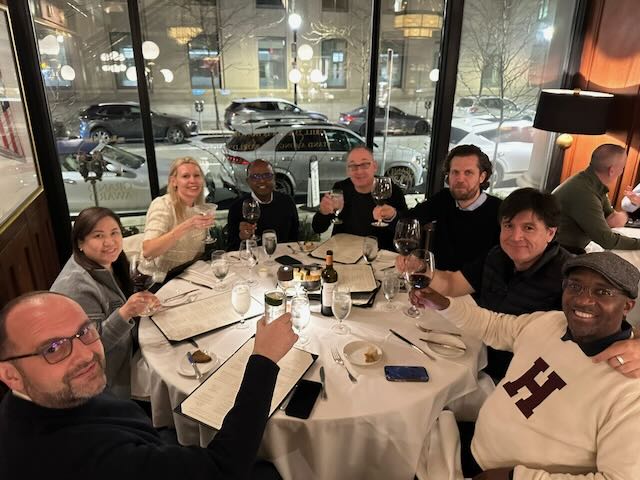
The graduation dinner was held at a venue on Boston Harbor. The water was just outside the windows. The light through the evening went from the hard white of a clear spring sky to the gold of a long sunset to the deep blue of harbour night. We were seated in our living groups, then mixed across the room for dessert, then mixed again for drinks. Speeches were short and warm. The conversation got louder as the night went on and the tequila began to flow.
I will admit that we drank a little more than was strictly sensible. Thankfully the next day’s program was set to start at eleven, which was a kindness from the organisers, and which I suspect was set after long experience of what graduation nights look like.
The stage, the diploma, the alumni
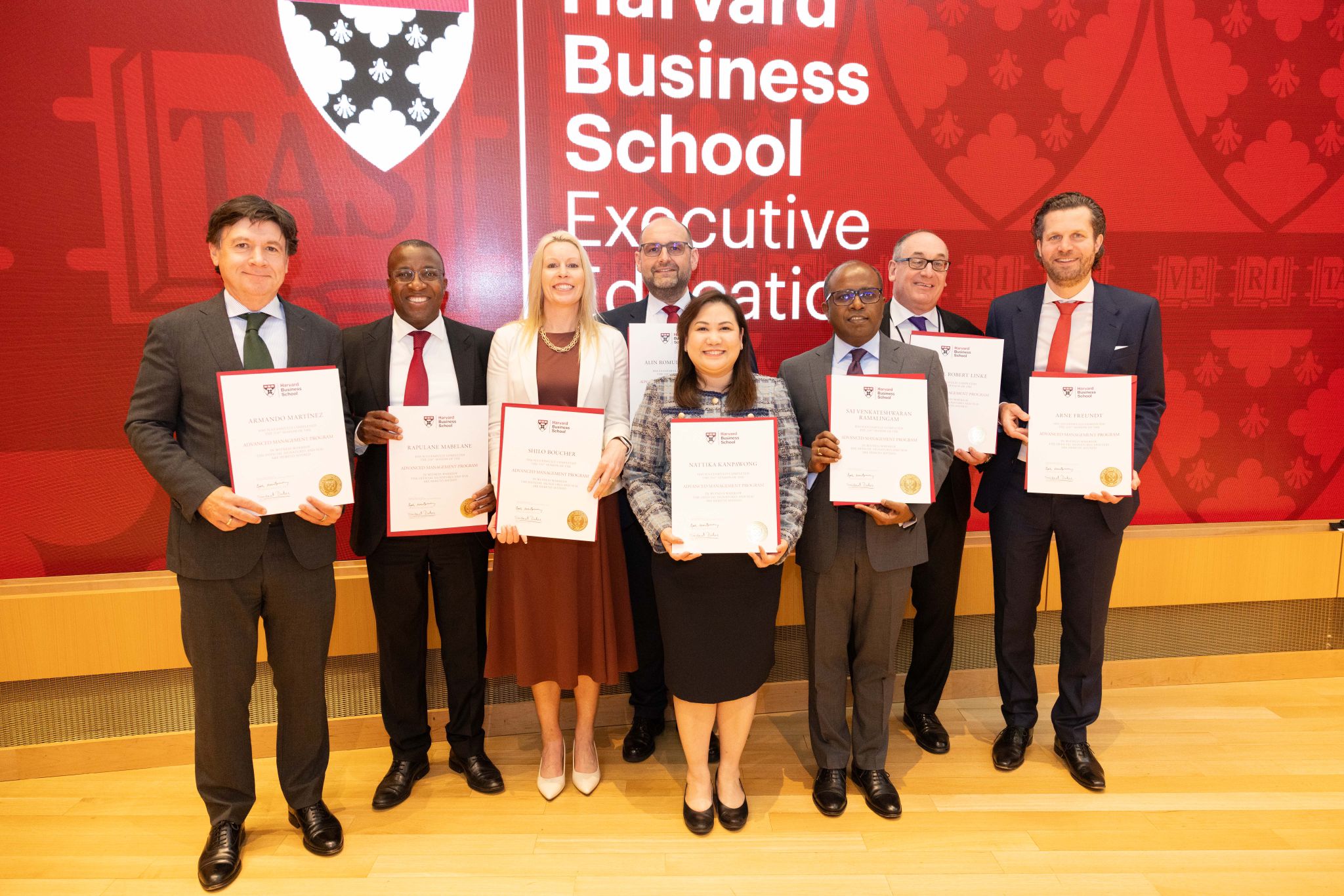
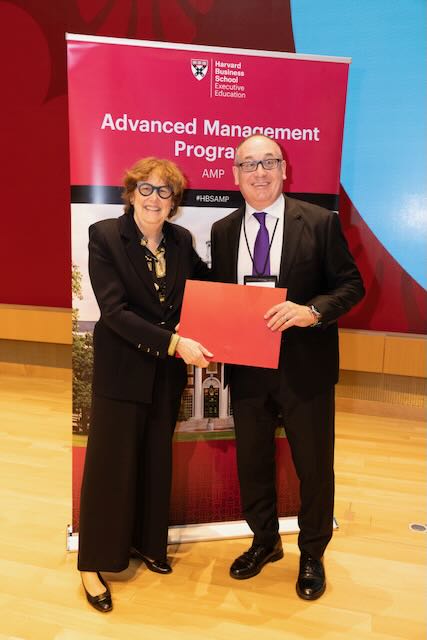
The closing ceremony itself ran across the next morning and afternoon. We gathered in the auditorium one last time. Speeches were made. Names were read. One by one we crossed the stage, shook the hand of the program director, and received the diploma that confirmed us as graduates of the Advanced Management Program and members of the Harvard Business School alumni community.
I had not expected the moment on the stage to matter as much as it did. It was a five-second walk, a handshake, a photograph, and a return to my seat. But it was also the closing of a circle that had begun, depending on how you count, either back in March in Boston, or in 1999 with a Bachelor of Taxation Law at UNSW, or, honestly, in 1984 when I joined the Australian Taxation Office as a young man with no idea where the work would take him. A handshake and a piece of paper can carry a lot.
The afternoon was photographs and farewells. We exchanged contacts. We swapped LinkedIn profiles. We made promises about reunions, about meeting in each other’s countries, about the WhatsApp group that had carried so much of our conversation through all three modules. There were small clusters of people in tears around the lawn. There was laughter. There was a particular kind of quiet that descends on a campus when something has just ended.
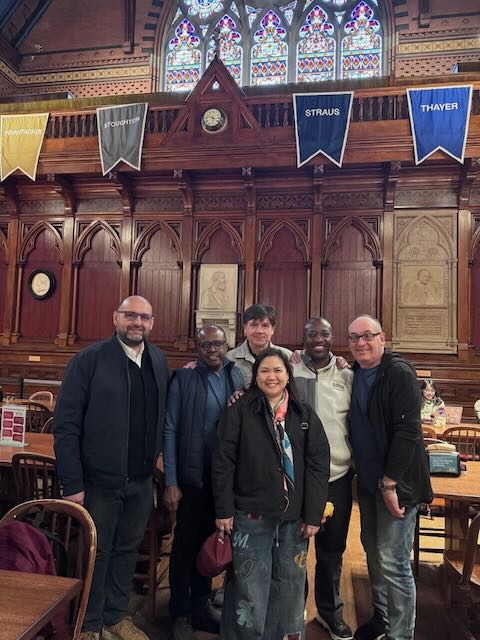
I said goodbye to my living group last. We had been together, in some form, since the very first day of Module 1. We had eaten together, walked together, sat through the same cases, debated the same readings, and held each other up through the harder weeks. They are a fantastic bunch from around the globe, and they made my AMP what it was. Standing on the lawn outside the dorms, hugging each one of them in turn, was the moment the program properly closed for me.
Boston to Dallas to Sydney
The flight home was a long one. Boston to Dallas, Dallas to Sydney, Sydney to Canberra. I am grateful to the Qantas staff who looked after me along the way, who quietly walked me through the gates, the transfers, the customs lines and the boarding queues without ever making a thing of it. I was lucky to be travelling part of the way with an Australian colleague from the program, which made the long middle leg shorter than the clock suggested.
I arrived back into Canberra on a wet, cool Monday morning in May. Eleven weeks behind me, counting the two Boston modules and the long bridge in between. Dozens of new contacts. A handful of close friendships I expect to keep for life. A capstone project tightened by three weeks of conversation with the best peer group I have worked alongside in three decades. A diploma in the bag. And the particular exhaustion that comes from spending eleven weeks in a room full of people who lift you, hour after hour, day after day, until you have grown an inch in ways you cannot quite measure.
Closing thought
When I boarded the plane back in February for Module 1, I genuinely did not know whether I could do this. Eleven weeks later, I knew not only that I could, but that the doing of it had changed me. The AMP is not really about the cases, or the frameworks, or the diploma at the end. It is about the people you spend the eleven weeks with, and what they teach you about leadership without ever sitting down to teach you. I will carry the cohort of AMP 210, and especially my living group, with me for a very long time.
A single Zulu word summed up my experience and it is thanks to my South African colleague, Rapulane, for that word.
Ubuntu.