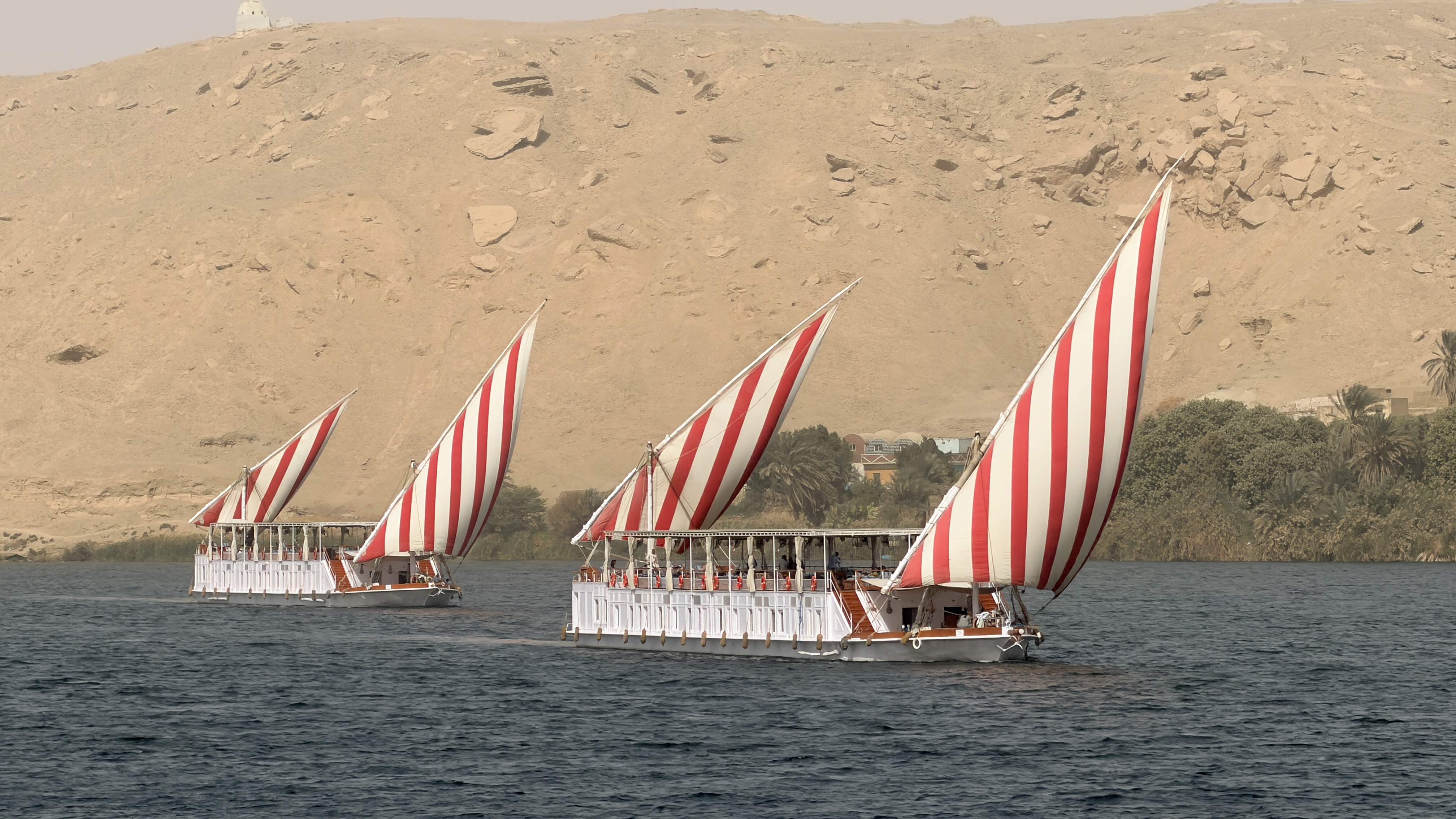
Today was the day we disembarked the Viking Aton.
After seven days aboard this beautifully designed Scandinavian river ship, it was time to say goodbye. Goodbye to the crew. Goodbye to the people we’d met and shared stories with. And, most importantly, goodbye to the Nile.
That feels like no small thing.
The Nile has been our constant companion. Flowing beside us. Sustaining us. Carrying history, life, and stories older than memory. Today we leave it behind and return to Cairo, the beating heart of Egypt. A city of more than 22 million people, somehow balancing ancient history with modern chaos, and somehow making it all work.
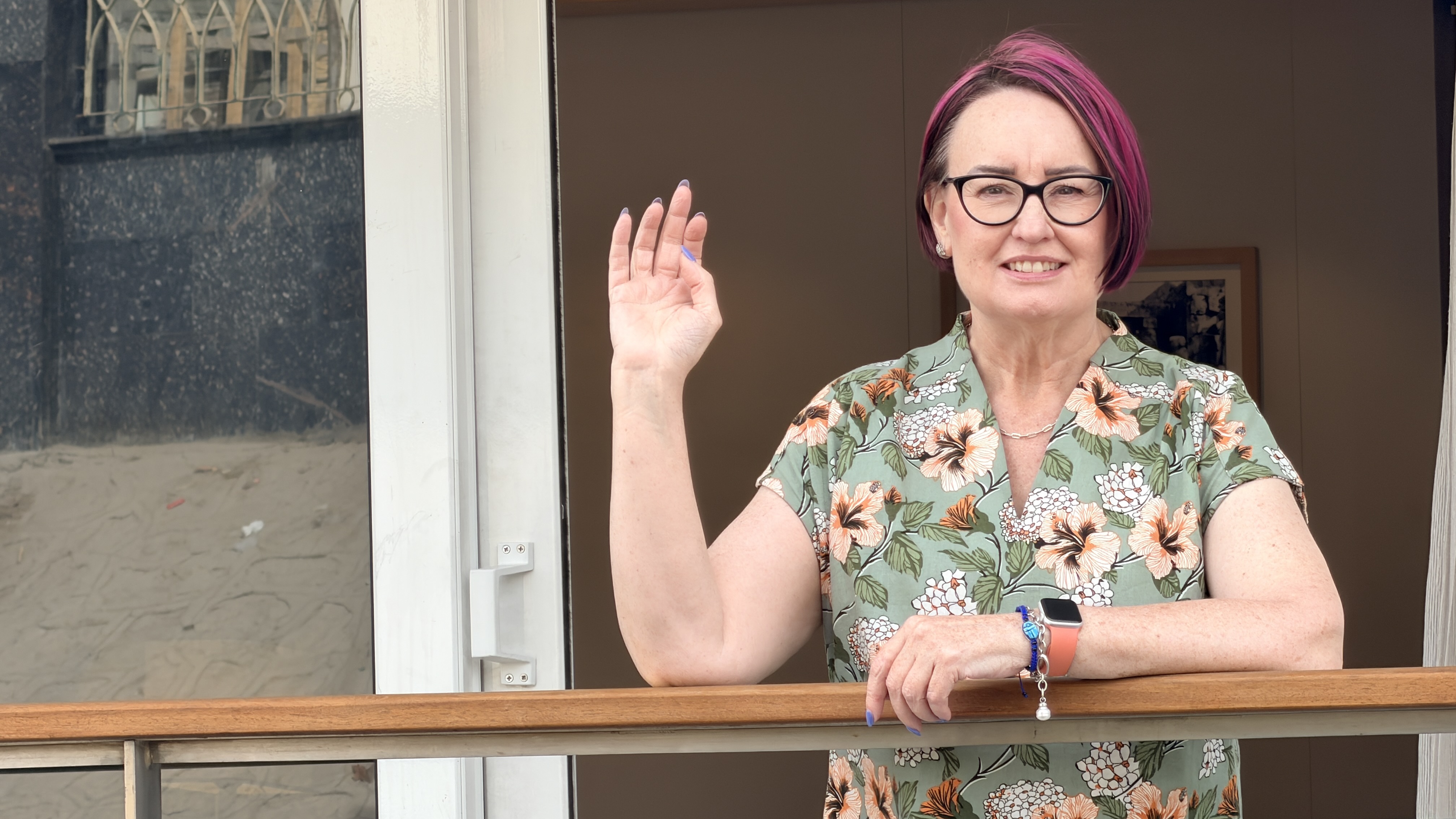
We have a quick breakfast on board. A few final conversations with David and Kerrie. A few reflective silences. Then the four of us board the bus for the airport. It’s only a 15–20 minute drive, but the transition feels abrupt.
At the airport we move like a small flock. Eighty-two Viking passengers, bags trailing behind us, navigating multiple security checkpoints. Boarding passes. Bag scans. Pat-downs. Random selections. David and Kerrie are pulled aside for extra checks. They somehow drift to the front of the queue. Maybe it’s David’s Sean Connery look. Who knows.
Ironically, we still end up being the last to board.
The aircraft is chartered by Viking through Petroleum Air Services, and with only 23 rows, row 23 feels very much like the back. David and Kerrie are delighted. We have a habit of sitting near the front, so this reversal provides great entertainment.
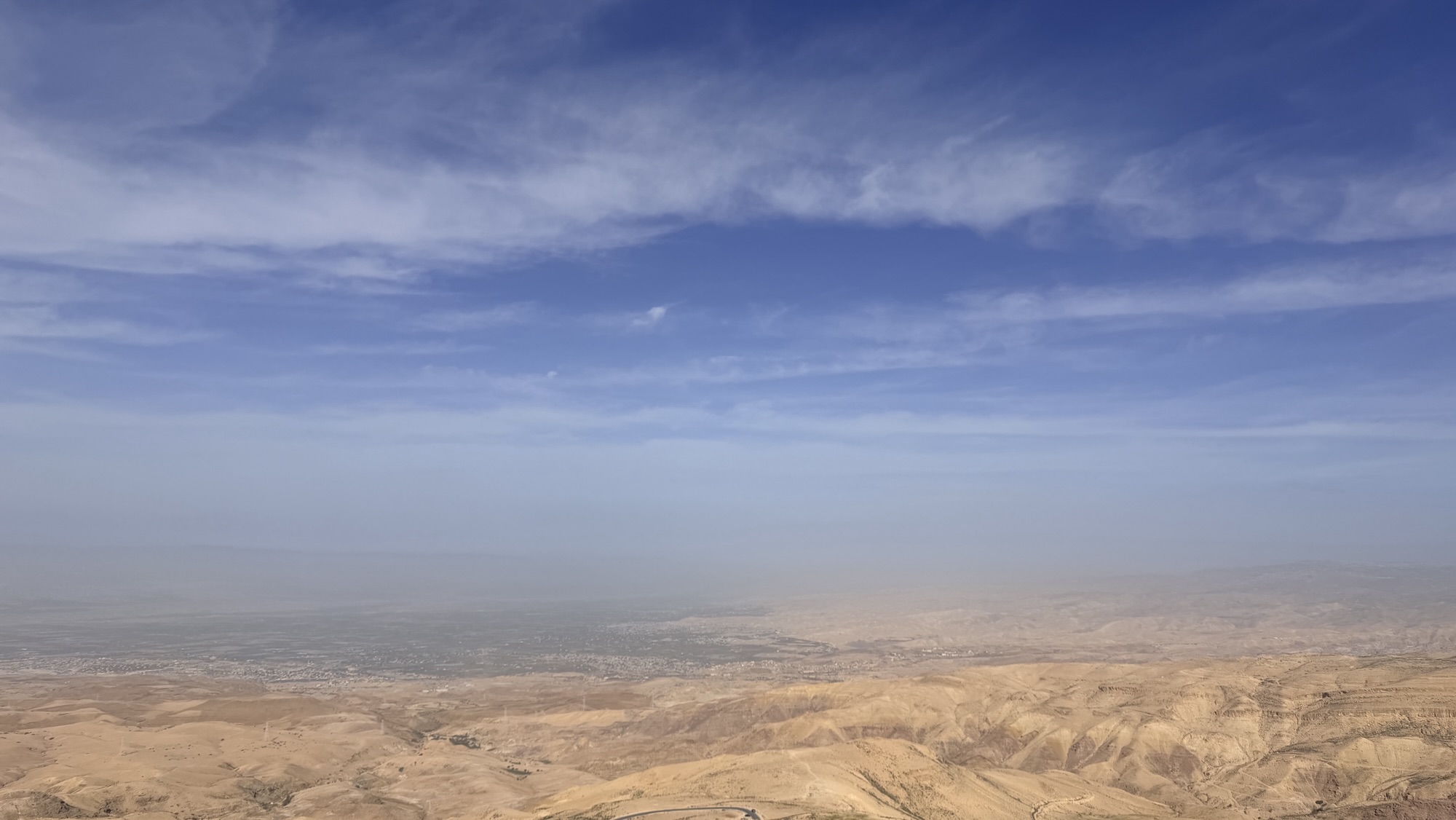
The flight from Luxor to Cairo takes about 45 minutes. From the air, Egypt reveals itself in stark contrast. The Nile appears like veins of green life, stretching a few kilometres on either side before dissolving into the endless beige of the Sahara. Fertility, then nothing. Life, then silence.
We land in Cairo, collect our bags, and board the bus for the short journey to the InterContinental Citystars, a vast complex of two sixteen-storey towers attached to a seven-storey shopping centre. It’s modern, opulent, and unmistakably five-star.
Lunch is a lavish buffet. Egyptian dishes. Western comfort food. Salads. Desserts. Everything you could want. The luxury feels almost jarring after weeks of temples, dust, stone, and history.
At 2:00 pm, we gather again. This afternoon has been debated for days. Viking excursions? Staying in the hotel? Wandering Cairo? Shopping?
We stick with the plan we made earlier.
We return to the Grand Egyptian Museum.
It’s about an hour away, and we arrive just after 3:00 pm, once again with Amira as our guide. She knows her stuff. She’s warm, personable, and today feels different. This time, we are on our terms.
No fixed route. No rushing.
Just curiosity.
The GEM is staggering in scale. It houses over 100,000 artefacts, making it the largest archaeological museum in the world dedicated to a single civilisation. If you spent one minute per object, it would take around 69 days to see everything.
Today, we head straight to Gallery 10 and Gallery 6.
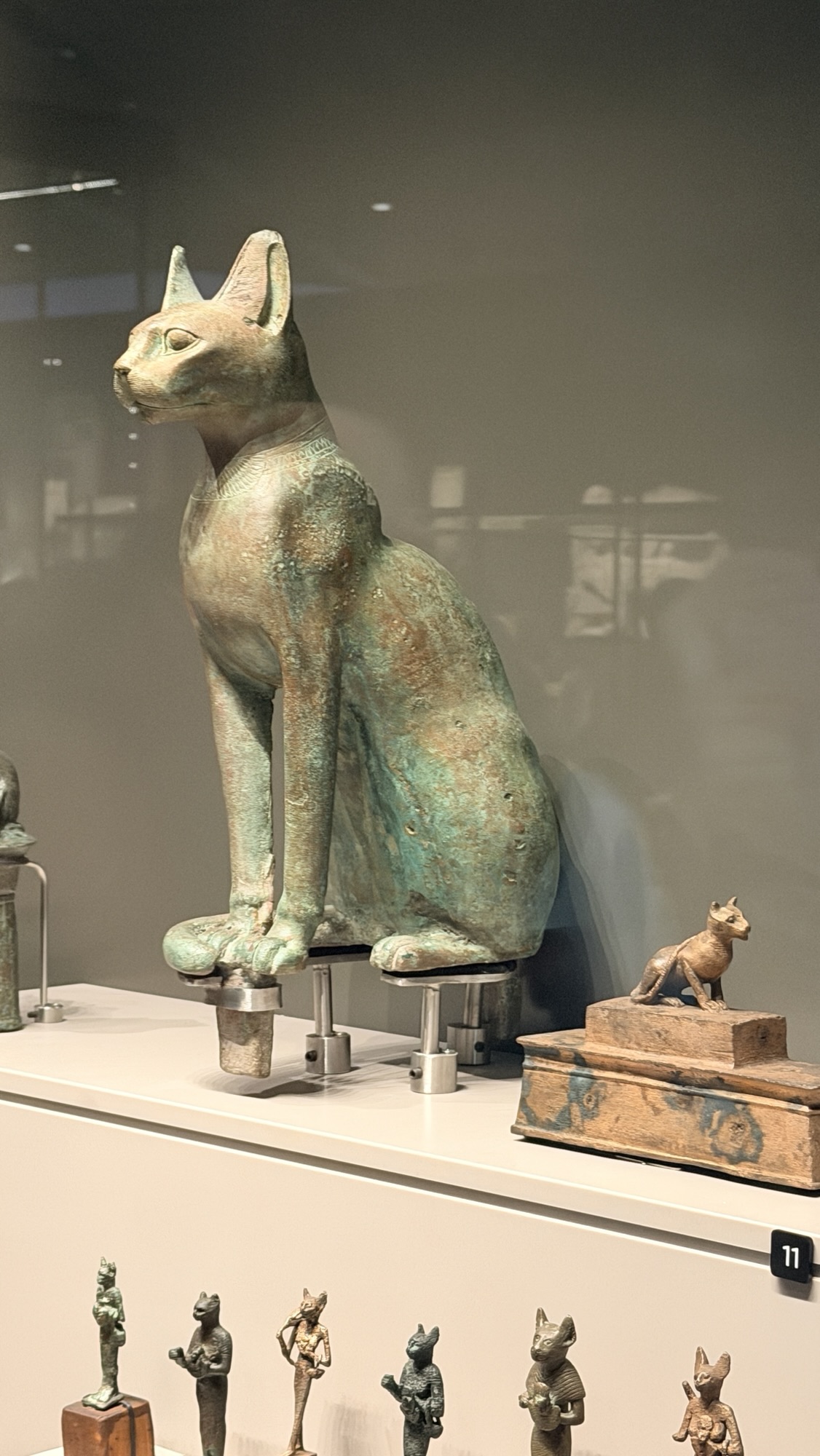
Gallery 10 holds the animal mummies, including the largest collection of mummified crocodiles ever displayed. Entire crocodiles. Partial remains. Carefully wrapped. Perfectly preserved. Nearby are cats, ibises, falcons, dogs, and sacred animals, all honoured as divine intermediaries.

Mardi is drawn, as expected, to the cats. Stone cats. Wooden cats. Bronze cats. Bastet watches quietly from every corner.
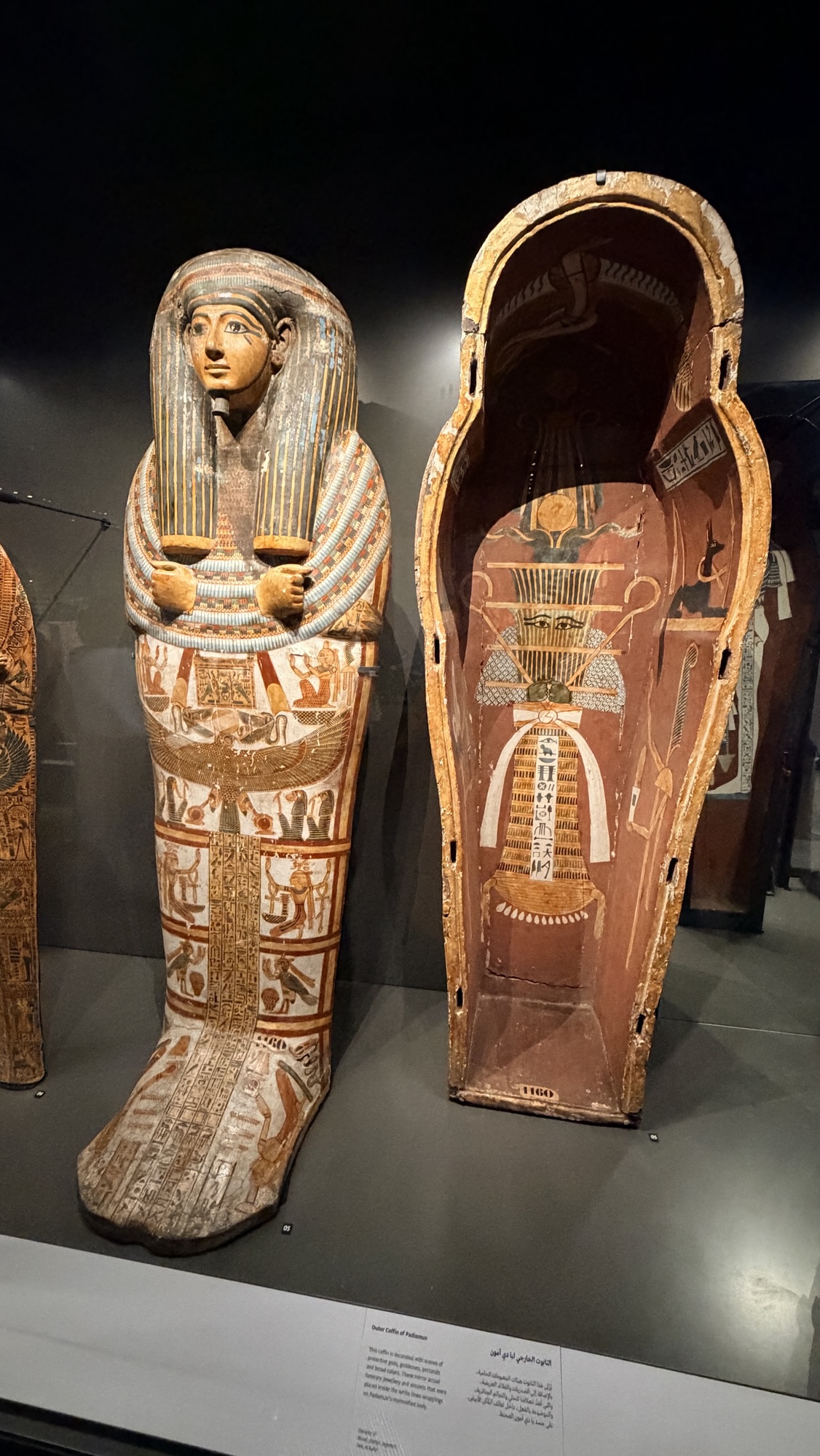
We move into the halls displaying wooden coffins, each covered in intricate patterns and texts. Many feature large painted eyes on the exterior. A constant reminder of the Egyptian belief that the deceased could see into the world beyond the coffin. The eye. Always the eye. We’ve seen it everywhere on this journey. Tombs. Temples. Amulets. Walls.

One of the most fascinating sections is a display of practice carvings. Small pieces of stone and wood found in ancient dwellings. Test pieces. Trial eyes. Animals. Cartouches. These were practice works, shown to supervisors before being approved for final carving in tombs or temples.
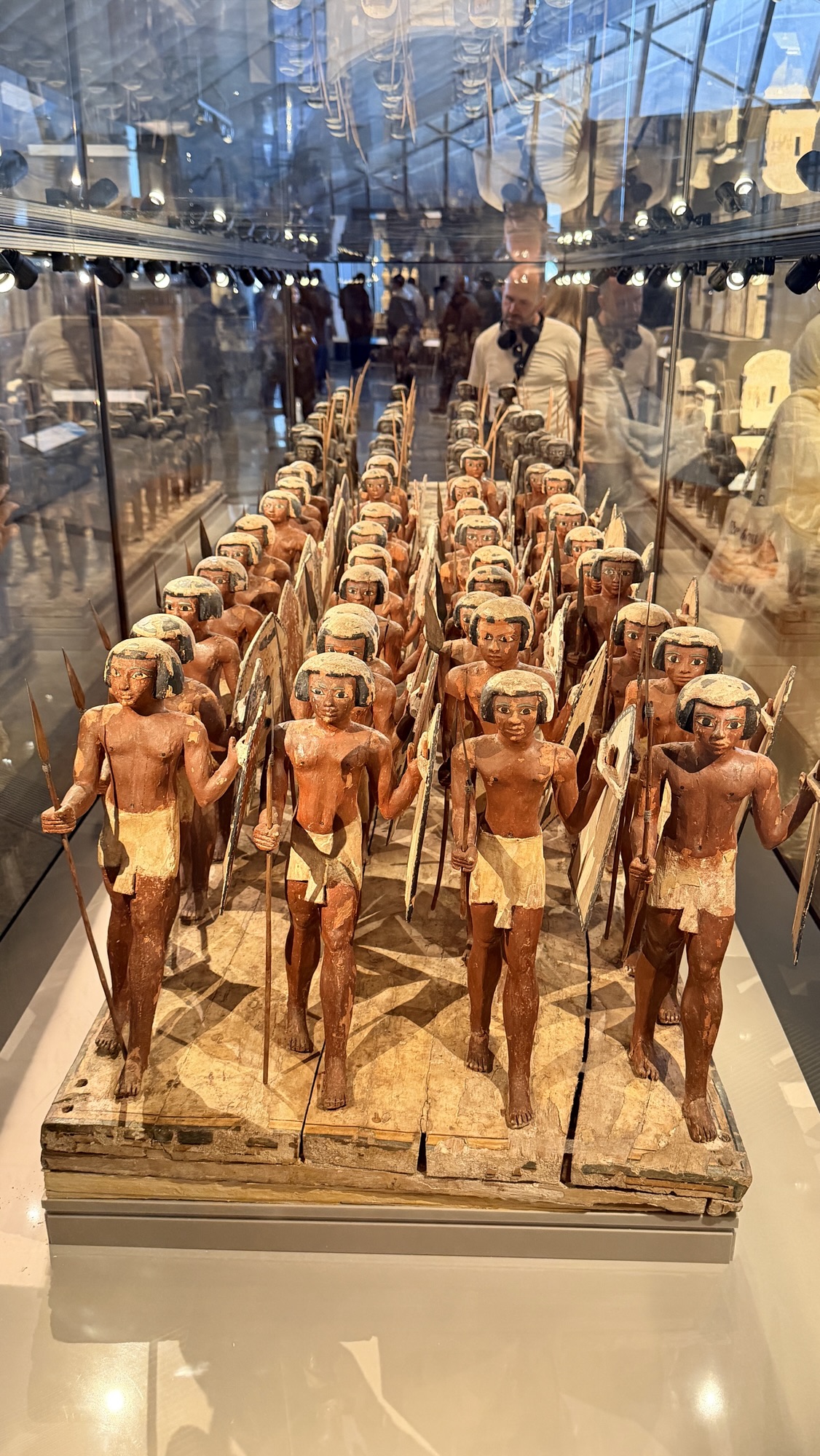
It’s a powerful insight into how deliberate and organised this civilisation was. Nothing random. Nothing rushed.
Mardi and Kerrie take a break at the café. David and I keep going, determined to squeeze every last drop from this place.
We return to Tutankhamun’s galleries.
This time, we find what we missed before.
In total, over 5,000 objects were discovered in Tutankhamun’s tomb in 1922 by Howard Carter. Of these, more than 3,600 artefacts are now on display, many for the first time.
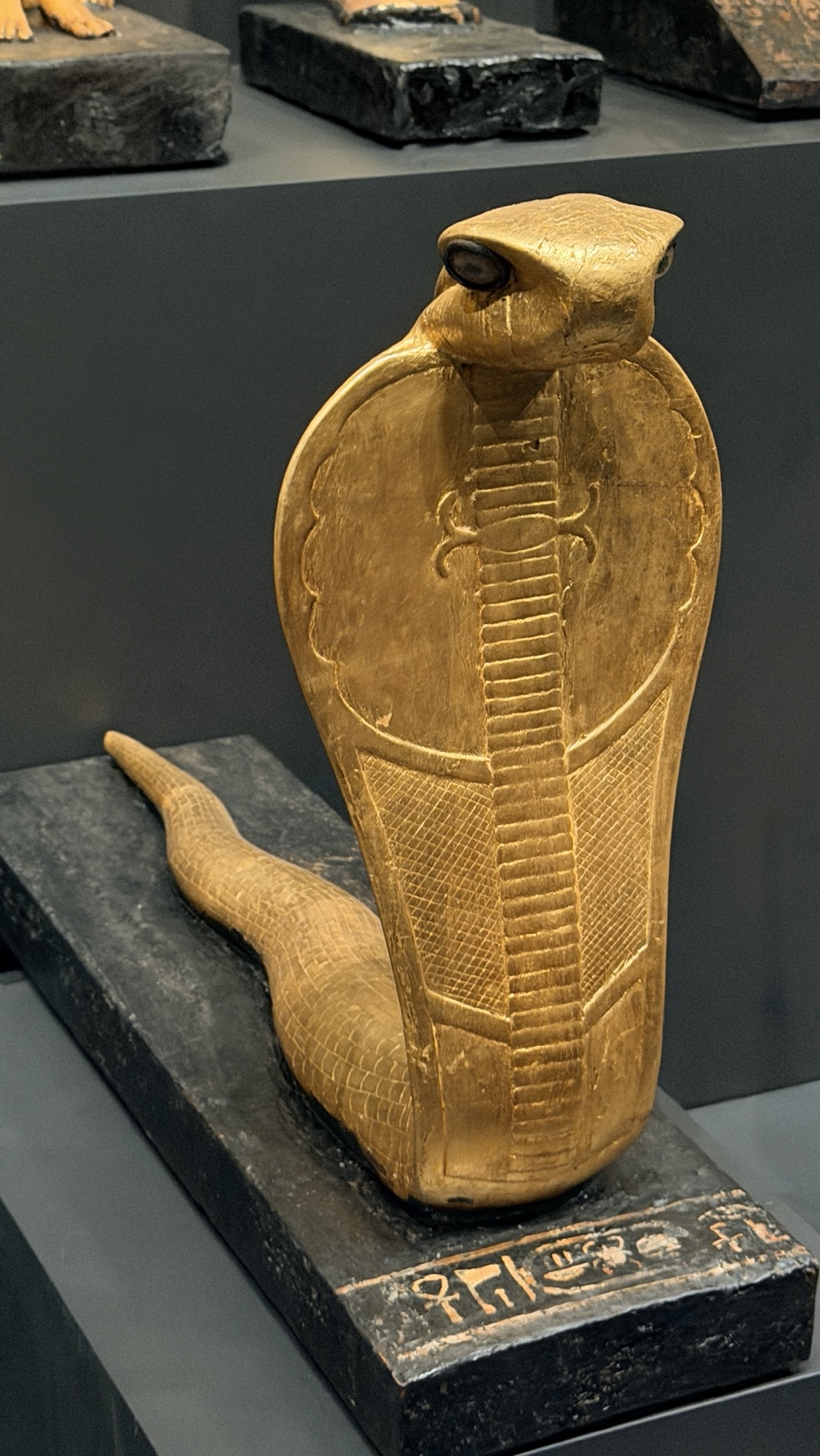
One hall we missed previously contains hundreds upon hundreds of figurines. Ushabti. Servants. Guards. Animals. Gods. Incredibly, 365 of them are made of gold, one for each day of the year, tasked with working on the king’s behalf in the afterlife.
Nearby stand the four enormous nested wooden shrines, each one encasing the next. They are colossal. Almost the size of small shipping containers. David takes a photo of me standing beside one for scale. It barely makes sense.
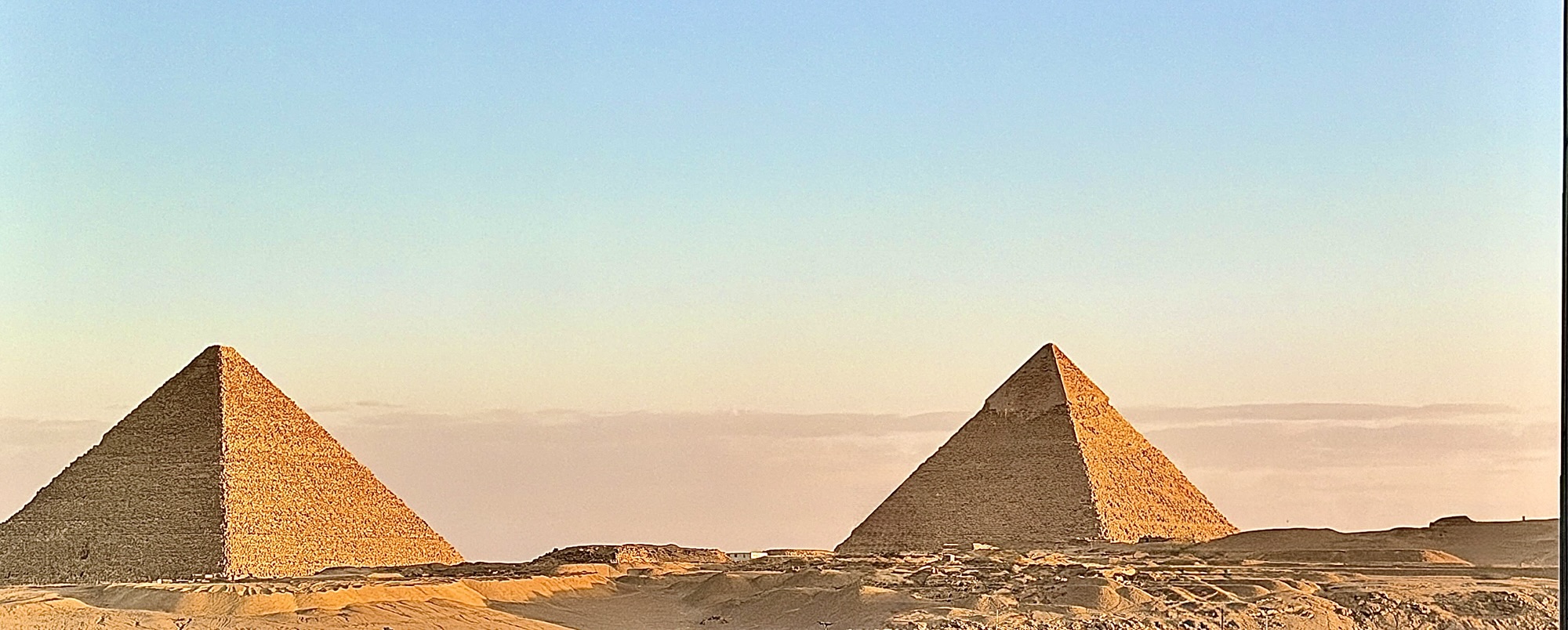
Before leaving, we step onto the viewing platform and take one final look at the Pyramids of Giza in the distance.
A quiet moment.
A fitting end.
We descend the massive escalator, four levels down, passing statue after statue, monument after monument. We regroup with Mardi and Kerrie, grab a light snack, then begin the long drive back to the hotel.
Cairo at 5:00 pm is chaos distilled. What should be a 45-minute drive becomes 90 minutes of U-turns, side roads, stalled traffic, and constant horns. At one point we pass a stadium and wonder whether a match has just ended or is about to begin. Either way, the traffic is relentless.
We arrive back just after 7:00 pm.
Dinner is simple. More important is the chance to say thank you. To Ibrahim, Younnis, and Rasha. Program directors of extraordinary knowledge and generosity. They didn’t just guide us through Egypt. They wove its story together.
We can’t resist a quick wander through the shopping centre next door. Seven levels of modern retail. No haggling. No pressure. No “hello my friend.” It feels oddly foreign after weeks of street markets.
After thirty minutes, we call it.
Tomorrow starts at 3:00 am. Jordan awaits.
Tonight, we rest.
I wanted to squeeze everything out of this experience.
I think I did.