We left the Dead Sea hotel at around 9:00 am today, heading south toward Petra. It’s a long drive, but Jordan rewards patience. The landscape changes slowly, then all at once.
Our first stop was Mount Nebo.
Oria, our guide, shared the stories this place is known for. Names most of us grew up hearing whether we believed them or not: Moses, Joshua, Jericho, the Promised Land, Sodom and Gomorrah, Lot. According to tradition, this is where Moses looked across the Jordan Valley and saw the land he would never enter.
I don’t subscribe to these stories as divine truth. I’m an atheist. Furthermore, there is no archeological evidence that Moses ever existed. But I do find them interesting in a historical and cultural sense. Long before maps, satellites, or science, humans explained the world through story. These narratives helped people make sense of geography, hardship, displacement, power, and hope. Whether literal or symbolic, they shaped how generations understood this land. I view it as an interesting fable.
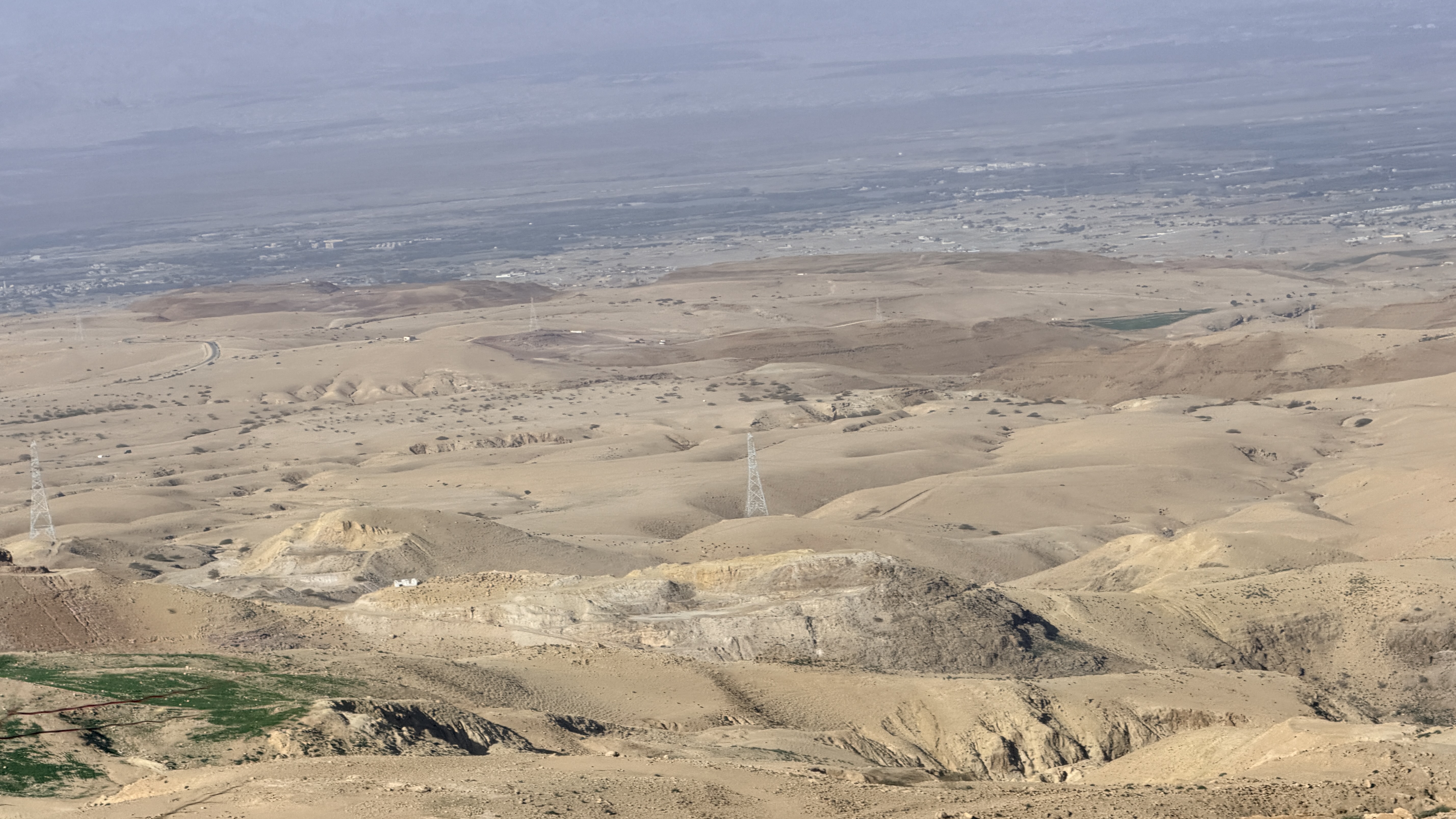
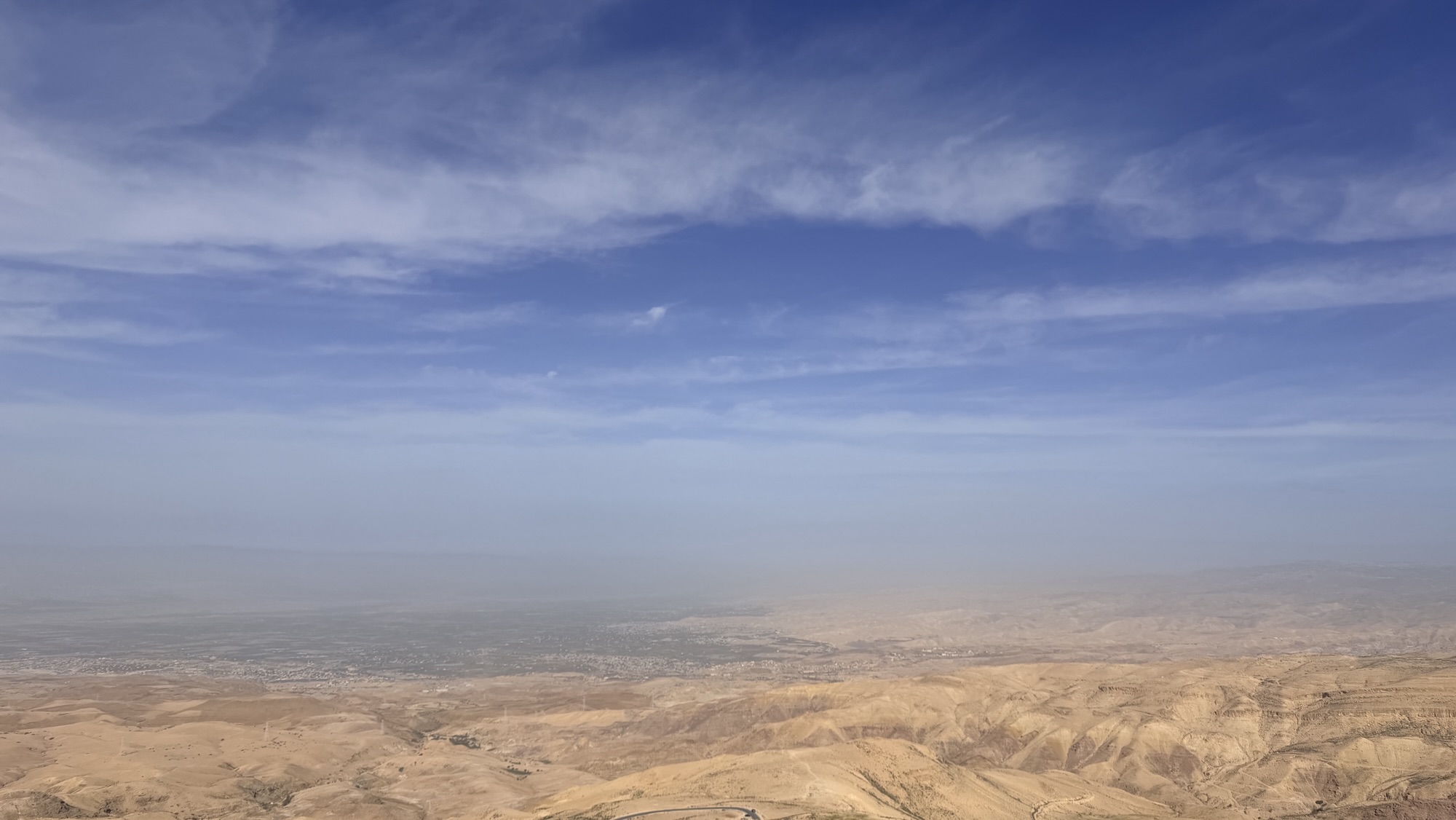
From Mount Nebo, the view is stark and expansive. The Jordan Valley stretches out below us, dry and fractured. Canyons, caves, rocky outcrops. This is tectonic country. The land here has been pulled apart, folded, and broken over millennia by the shifting of plates. It looks ancient because it is. It looks harsh because it is. It looks unwelcoming because it is. Life here is hard.
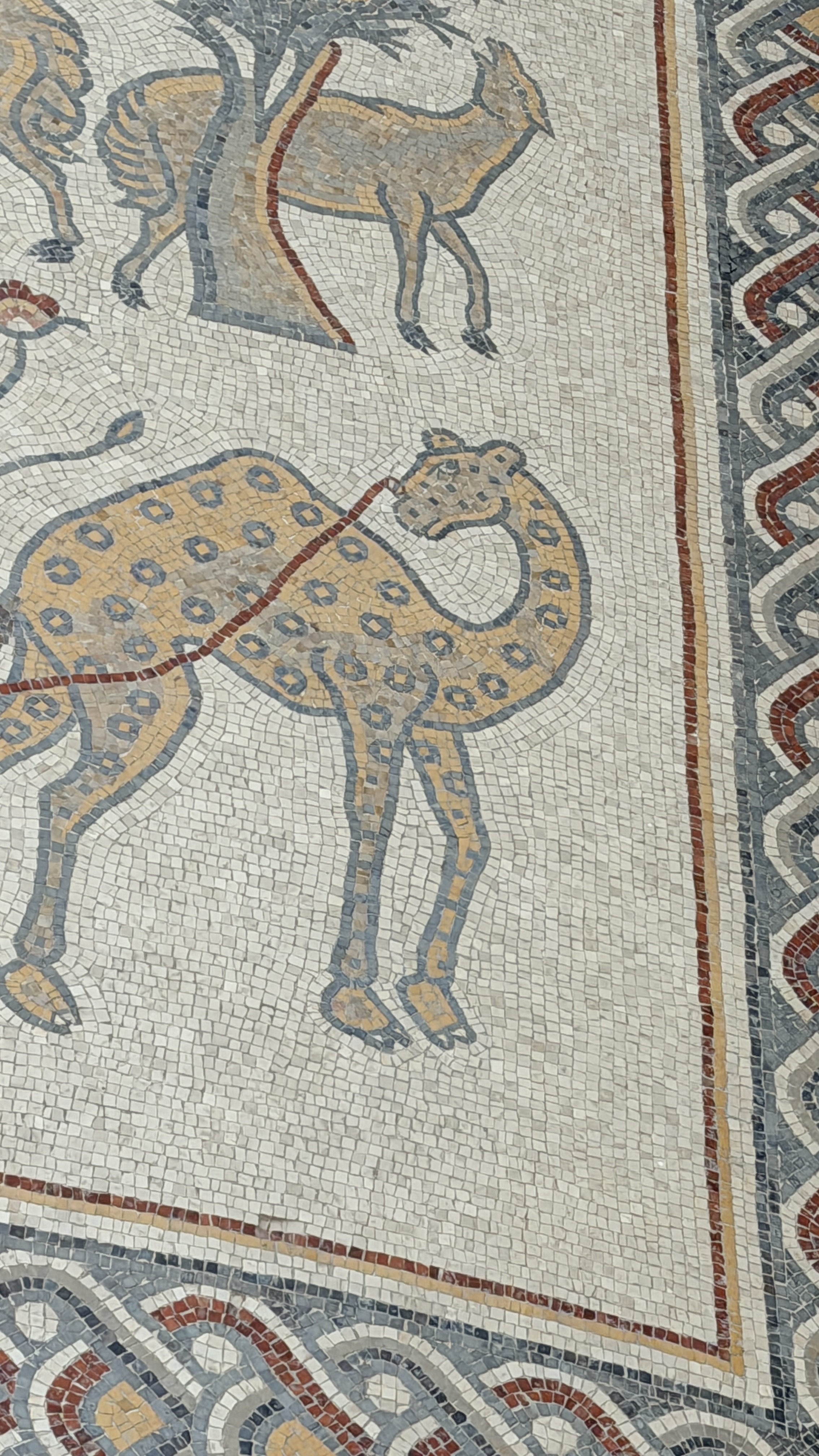
After Mount Nebo, we stopped at a mosaic workshop, where we were shown the painstaking process of creating traditional mosaics. Tiny pieces of stone, cut by hand, laid one by one. It’s slow, deliberate work. Watching it gave us a deeper appreciation for what we were about to see next.
Our next stop was St George’s Church in Madaba.
Inside is the famous 6th-century mosaic map, one of the oldest surviving cartographic depictions of the region. It shows Jordan, Palestine, Egypt, and key religious sites as they were understood in the Byzantine era. Roads, rivers, cities, places of worship. Not accurate by modern standards, but astonishing for its time. It tells us what mattered to people in the 6th century and how they oriented themselves in the world.
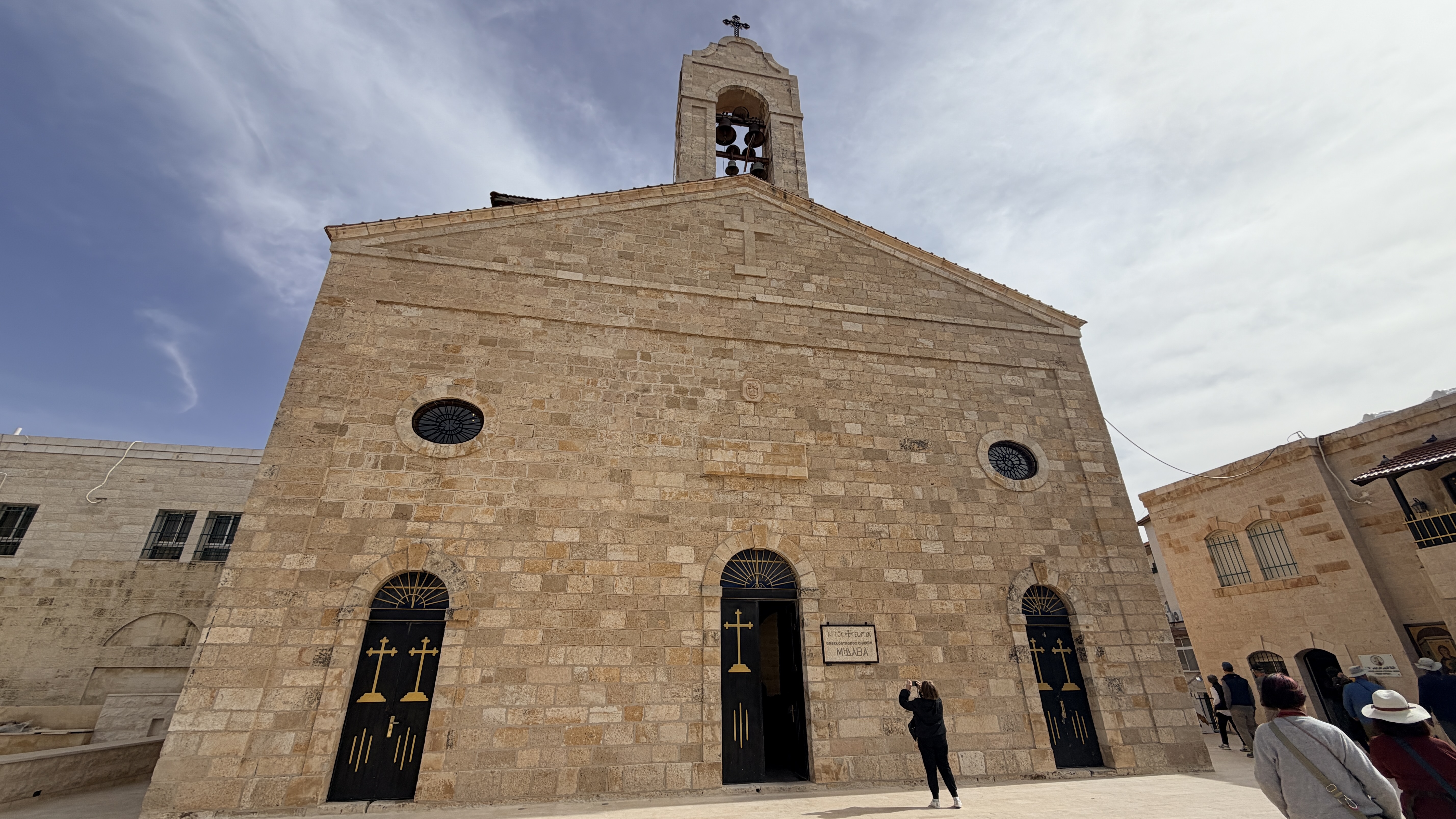
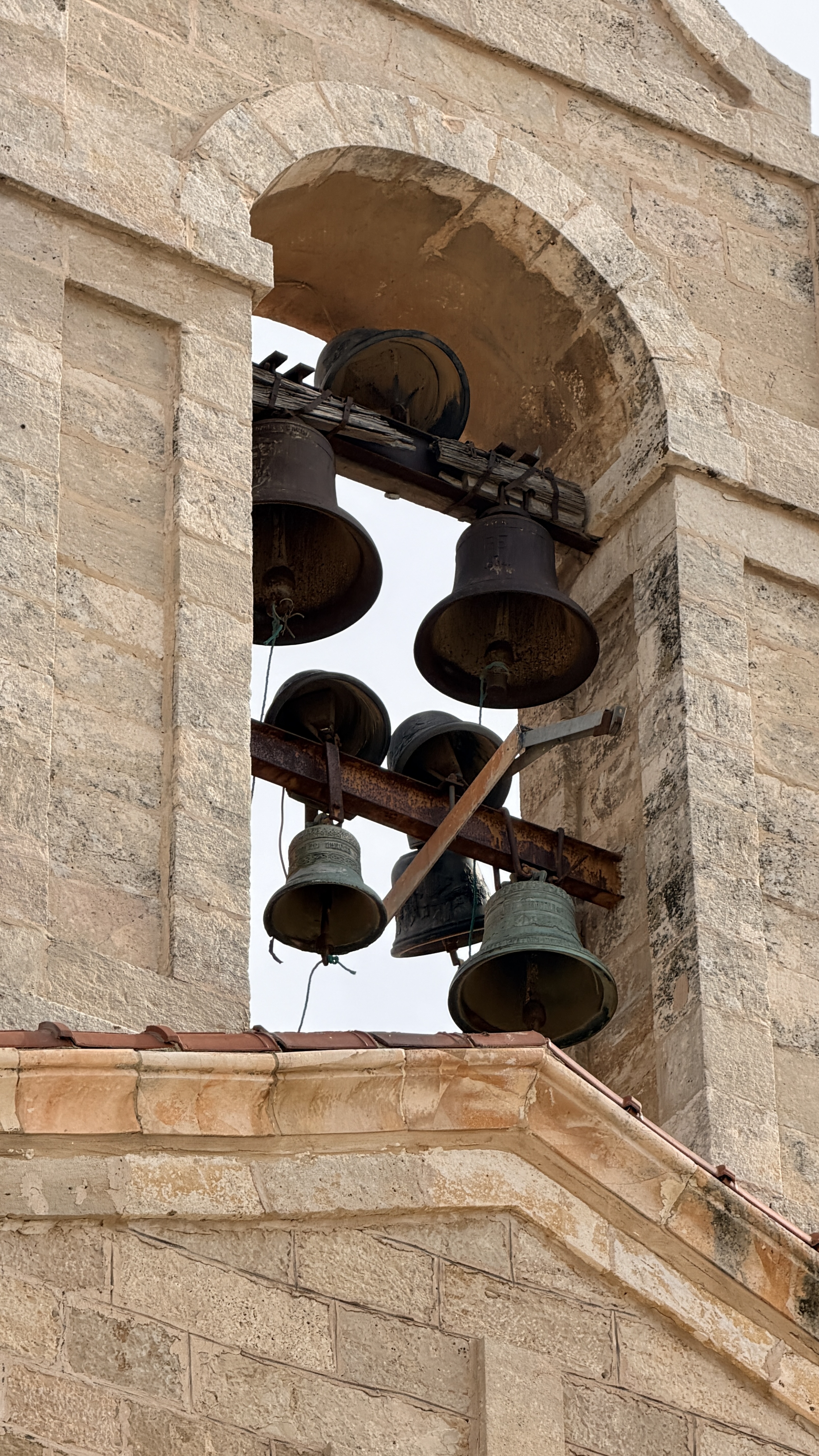
As we walked the streets of Madaba the bells of the church rang out, loud and imposing. I couldn’t help but think of Pink Floyd’s Time:
Far away across the field
The tolling of the iron bell
Calls the faithful to their knees
To hear the softly spoken magic spells
Faith, ritual, repetition. Humanity’s long conversation with meaning.
Lunch followed at The Food Basket, a former residential home converted into a restaurant. It was originally supported by a USAID initiative but now operates independently. The food was excellent.
We started with dips and flatbread, then shared a traditional Jordanian dish called Maqluba. The name literally means “upside down”. Chicken, rice, vegetables, and spices are layered in a pot, cooked together, then dramatically flipped upside down onto a serving platter. It’s hearty, comforting, and meant to be shared.
After lunch, we resumed the drive south toward Petra. The journey took around three hours, broken up by a comfort stop and a brief visit to Kerak Castle.
Kerak is one of the great Crusader castles, built in the 12th century. Massive stone walls. Strategic positioning. A reminder that long after the biblical stories, this land remained contested, fortified, and fought over. Empires came and went, each leaving their mark.

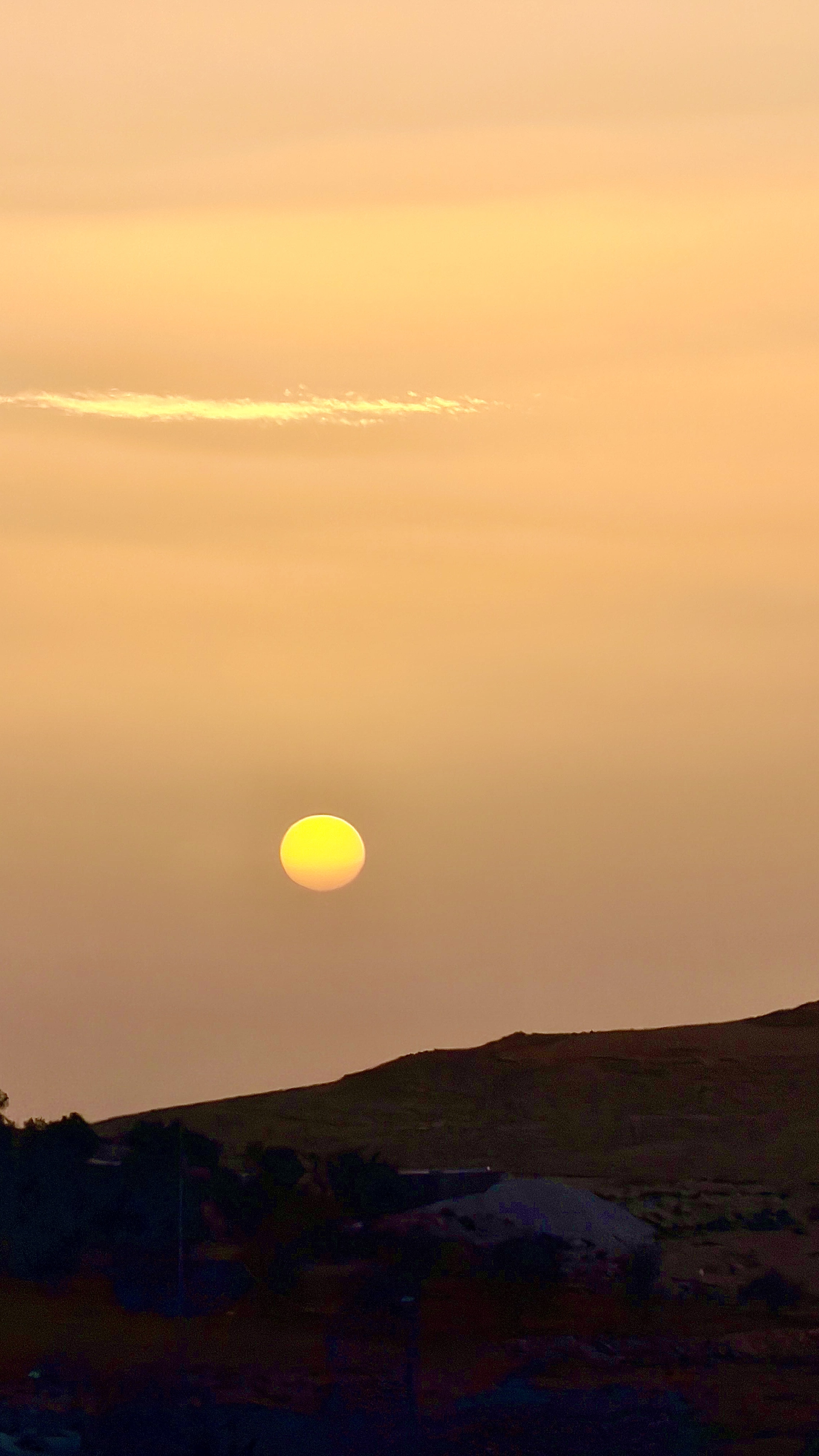
As the sun dropped lower, the colours of the landscape deepened. Reds. Browns. Ochres. The land began to feel more severe, more sculpted.
We arrived in Petra at around 6:20 pm, just after sunset.
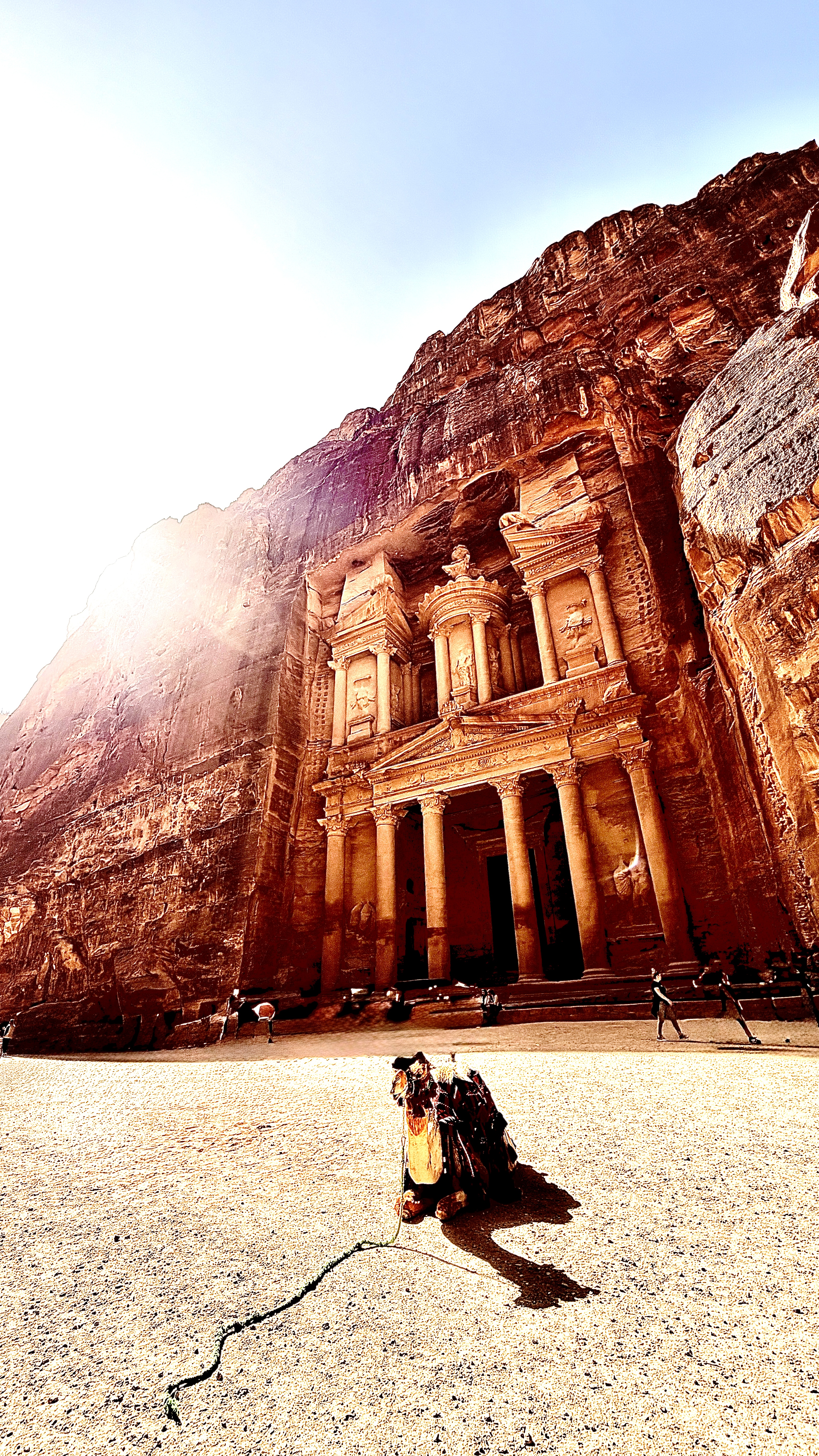
Tomorrow, we step into one of the most extraordinary archaeological sites on earth. Tonight, we rest.
Jordan continues to reveal itself slowly. Layer by layer. Story by story.