The ship docks at 8.00am and we rise to a warm day with scattered cloud. We have a shire excursion a little later in the day, but manage to time things so we can have some breakfast in the Observation Lounge. Nothing fancy. Some cereal, patties, juice and tea. We sit and relaxed before getting ready to go ashore.
Interestingly as we go ashore there is no immigration check. Bermuda is a different country and is a British overseas territory.
A Brief History of Bermuda
Early History: Bermuda was discovered in 1505 by Spanish explorer Juan de Bermúdez, after whom the islands are named. However, it remained uninhabited for over a century. The islands were first sighted by Europeans again in the early 1600s but did not see any serious colonization efforts until later.
Colonization: In 1609, the English ship Sea Venture, en route to the Jamestown colony in Virginia, was shipwrecked on the reefs surrounding Bermuda. The survivors, including its captain, Sir George Somers, became the first settlers of the islands. In 1612, Bermuda was officially claimed by the English and established as a colony.
Economic Development: The early economy of Bermuda was primarily based on agriculture, with tobacco being a significant crop. However, the colony quickly shifted focus due to the harsh agricultural conditions. By the 18th century, maritime activities became prominent as Bermuda’s skilled shipbuilders and sailors contributed to the British naval and merchant fleets.
The American Revolution: Bermuda remained loyal to Britain during the American Revolution, which led to economic benefits as British loyalists and their slaves fled to the islands. This period also saw an increase in the number of enslaved individuals, who were forced to work on plantations and in households.
19th Century Changes: During the 19th century, Bermuda moved toward a more diversified economy, with tourism beginning to emerge as an important sector after the arrival of steamships. The British military presence was a significant part of Bermuda’s life until the mid-20th century.
20th Century and Beyond: In the 20th century, particularly after World War II, Bermuda became a major tourist destination, attracting visitors with its natural beauty and pleasant climate. The economy diversified further, with insurance and financial services becoming essential components.
Bermuda also gained internal self-government in 1968, and political developments have since shaped its path as a British Overseas Territory. Today, Bermuda is known for its unique culture, blending British and American influences, stunning landscapes, and vibrant marine life.
Conclusion:
Bermuda’s rich history reflects its strategic location, economic evolution, and cultural integration. From its early days of exploration to its current status as a financial and tourist hub, the islands have a unique story that continues to evolve.
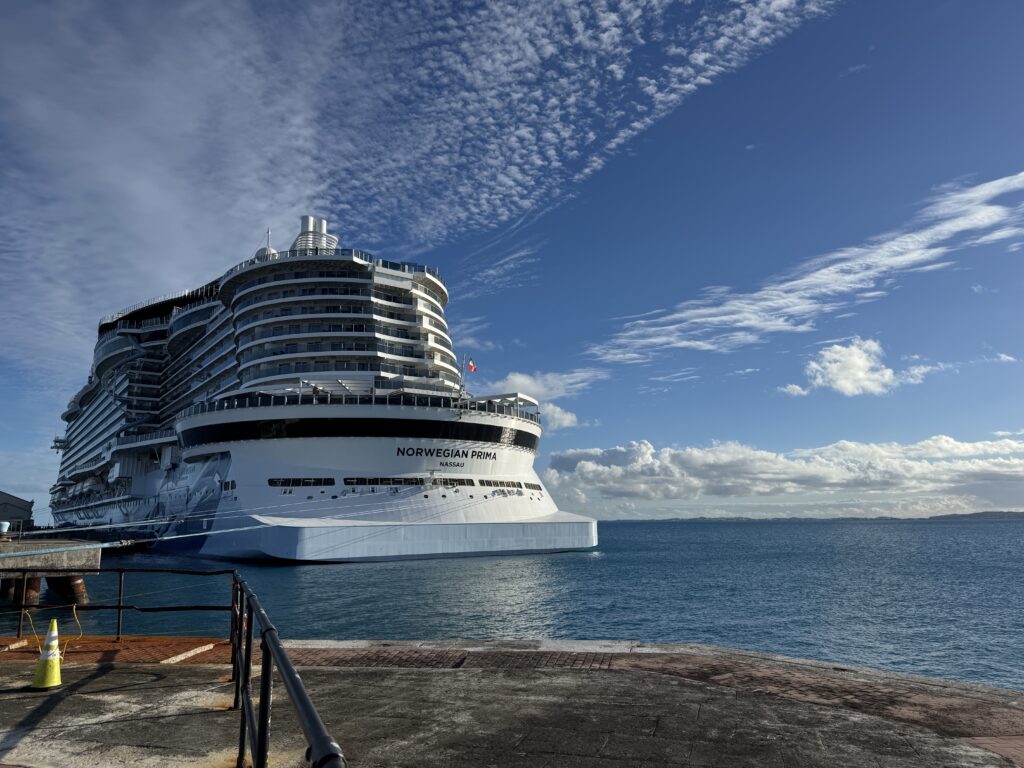
We take some photos on the dock and then go in search of our shore excursion meeting point. Today’s excursion is in a glass bottomed boat out to a reef and ship wreck.


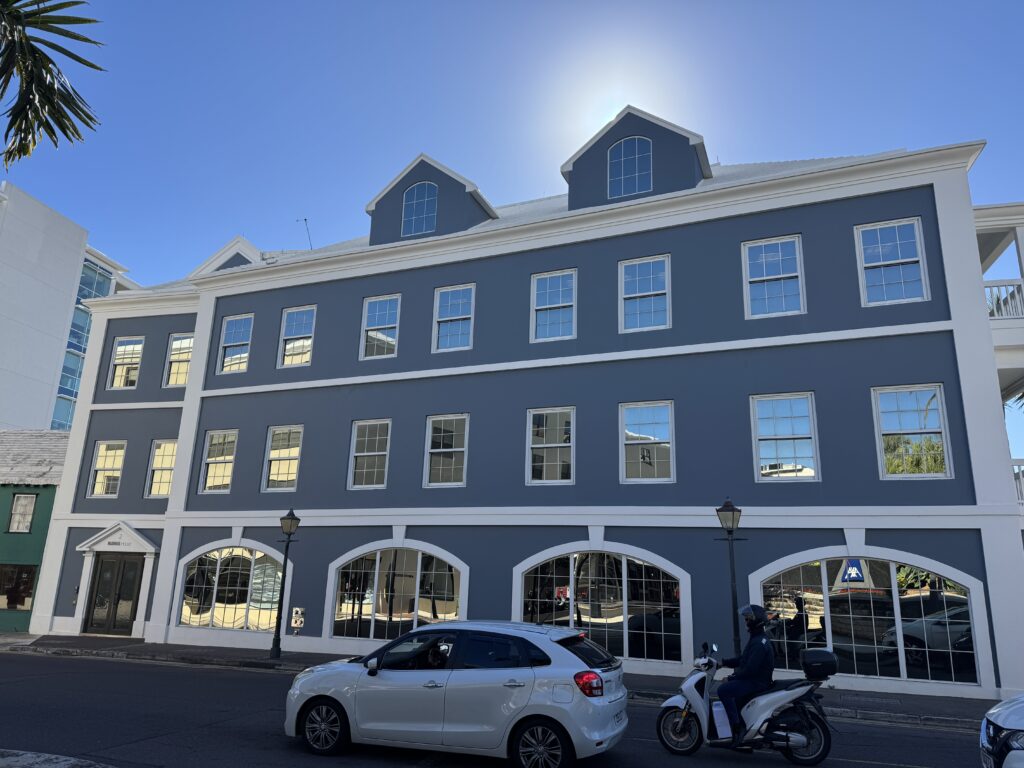

We quickly find out check in point. Sign up. And then go for a walk. We’ve got about 20 minutes to wait.
We make our way back and quickly board our boat. Our skipper Paul starts the cruise oddly. He plays my heart will go on – the theme for the movie Titanic. He then plays the theme from Gillian’s island. Another ship wreck themed show. He then promises not to end up that way. He’s able deck hand, Slim will help if needed though.
We are quickly underway making our way through the narrow channels. We cross under Watford Brisge and into the Atlantic. Paul informs us we are in the Bermuda Triangle. Which is huge with Bermuda as one point of the triangle. The others being Miami and Puerto Rico.
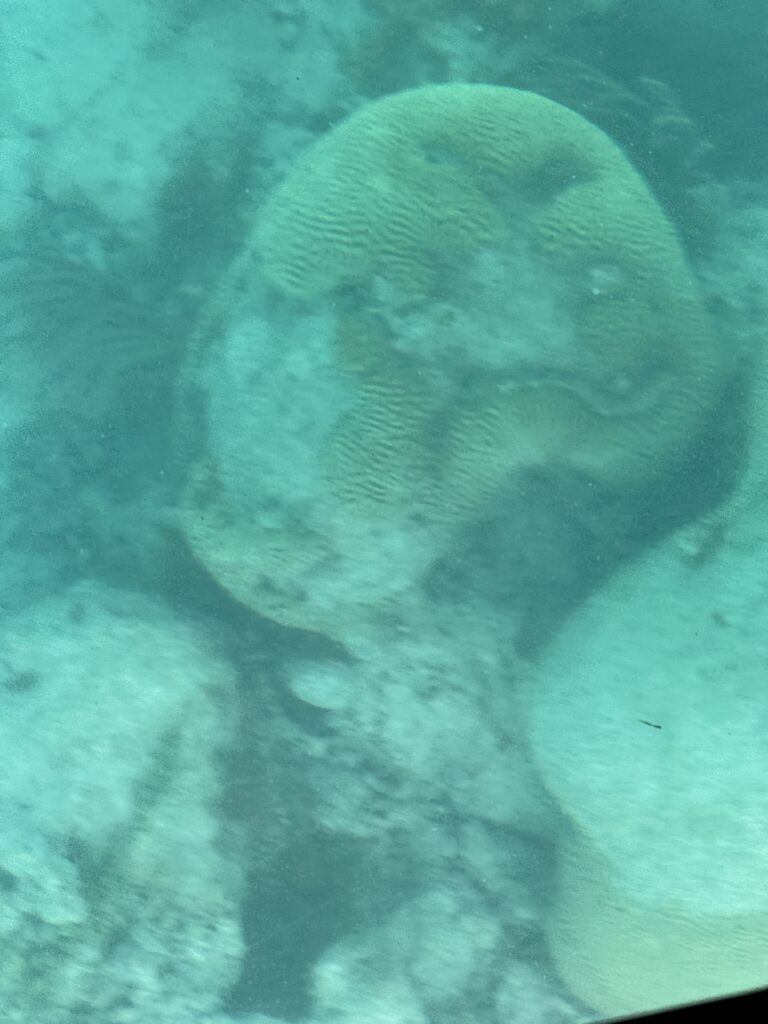
After around 30 minutes cruising we reach the reef. We move from the upper deck to below deck where a series of windows make up the floor of the lower deck. Everyone has an awesome viewing spot. Paul expertly moves the boat around as Slim describes the types of coral and fish we are seeing. The water is only about three metres deep.
We then move to the ship wreck. The bow of the ship protrudes from the ocean, with the remainder submerged and covered in coral and acts as an underwater playground for marine life ahis of this nature are often sunk deliberately to assist with reef protection and development.
After great views of the ship wreck we make the return trip to the dock.
It’s been a long and hot couple of hours in the water. So when we are back we chill out on board. I enjoy an ice chocolate and Mardi has a pink drink from Starbucks. A fruity sweet chilled fruit combo of some form.
We play trivia and enjoy dinner Le Bistro. The French restaurant. It’s quite delicious.
It’s been along day and we have an early start tomorrow so we call it a day.